Custom Activewear Fabric Selection: A B2B Sourcing Guide
This guide focuses on custom activewear fabric selection for B2B buyers, covering technical specifications, sustainable options, and sourcing strategies. Whether you need yoga wear, running gear, or team uniforms, understanding fabric properties is essential for product success. Partnering with an experienced activewear manufacturer ensures you navigate material choices effectively.
Understanding Custom Activewear Fabric Requirements
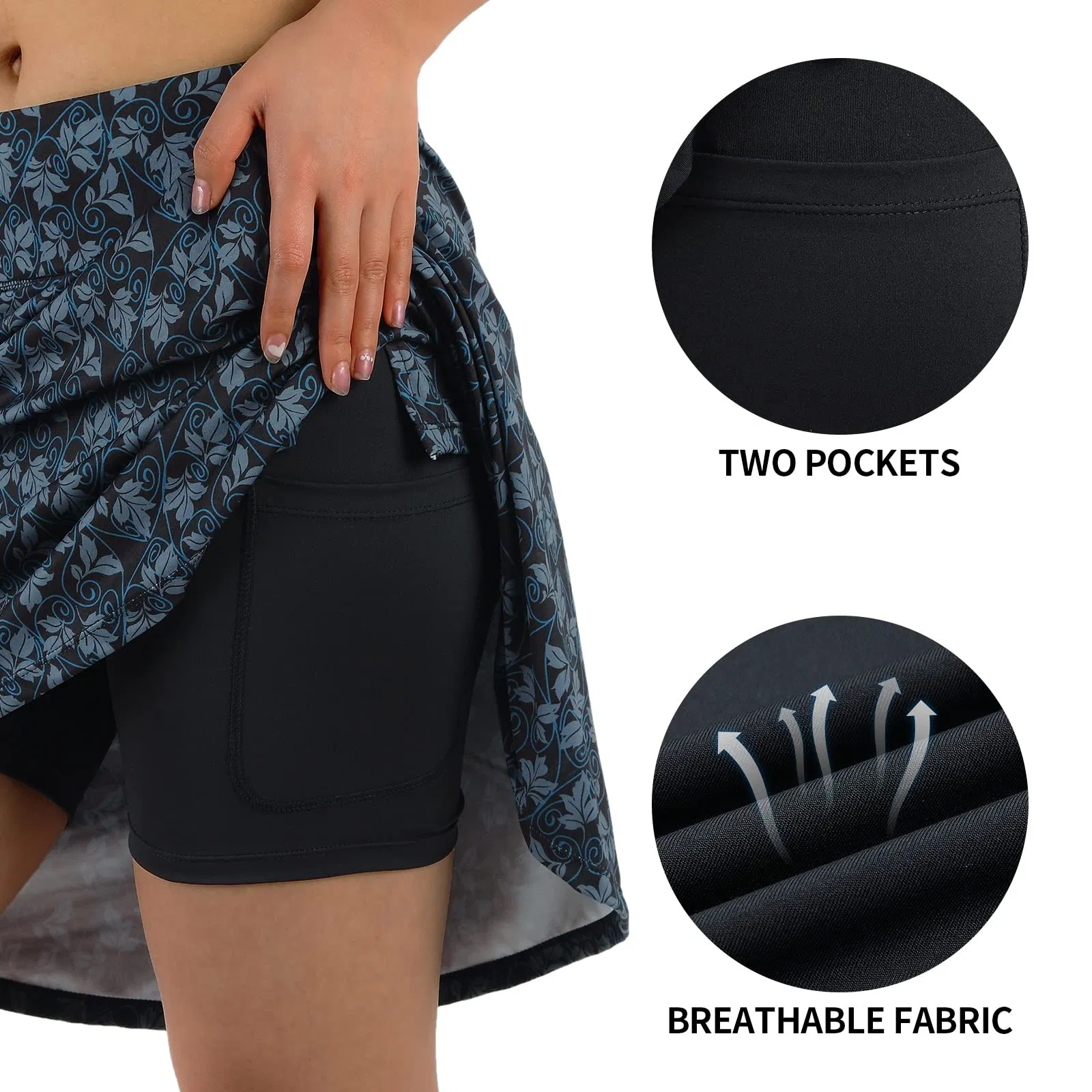 Close-up reference documents side pocket placement, seam control, and fabric surface behavior for sports skirt sample review.
Activewear fabrics must balance comfort, performance, and aesthetics. Unlike casual apparel, sportswear requires moisture management, stretch, and durability under repeated use. B2B buyers should start by defining the end-use activity, as fabric needs vary significantly between yoga, high-intensity training, and outdoor sports. For instance, a running top demands rapid wicking, while compression wear needs high elastane content.
Key performance characteristics include wicking speed, breathability, UPF protection, and abrasion resistance. Customization allows you to specify weight (GSM), composition, and finish, but these choices affect cost and production lead times. Always request technical data sheets and physical swatches before committing to bulk orders. As a sportswear manufacturer, we emphasize early testing to align expectations.
Key Performance Fabrics for Custom Activewear
The activewear market relies on several core fabric types, each with distinct properties:
- Polyester Spandex Blends: The workhorse of activewear, offering excellent moisture-wicking, stretch, and shape retention. Common ratios like 90/10 or 85/15 balance compression and comfort. Ideal for gym wear and full-print sublimation.
- Nylon Spandex: Softer hand feel with higher tensile strength, ideal for yoga and dancewear where second-skin feel matters. It provides superior pilling resistance compared to polyester.
- Recycled Polyester: Increasingly demanded for sustainable collections, meeting GRS certification and eco-conscious branding. Junhao Sportswear can source recycled yarns for your line.
- Cotton-Blend Fleece: Used in athleisure and warm-up layers, providing softness with some moisture control. Suitable for casual sportswear.
- Compression Fabrics: Higher elastane content (20-30%) for muscle support and recovery wear. These require precise knitting to ensure consistent pressure.
Your fabric choice affects not only performance but also printing, sublimation quality, and garment durability. Discuss end-use with your manufacturer to match the right knit structure and finishing. Explore our custom sportswear options for more inspiration.
Custom Activewear Fabric Selection: Factors to Prioritize
When selecting custom activewear fabrics, evaluate these factors systematically:
- Activity Type: High-impact vs. low-impact activities dictate stretch and support levels.
- Moisture Management: Wicking rate and breathability are critical for sweat-intensive sports.
- Durability: Check pilling resistance, seam strength, and colorfastness after multiple washes.
- Sustainability: Determine if your market requires recycled content or eco-certifications.
- Budget: Performance fabrics can range from entry-level polyesters to premium nylons; align fabric cost with target retail price.
- MOQ: Custom-developed or specialty fabrics often require higher minimums; factor this into your ordering plan.
A structured fabric selection process reduces sampling iterations and avoids costly production issues. At Junhao Sportswear, we guide clients through each variable to optimize outcomes.
Sustainable Activewear Fabrics for B2B Buyers
Sustainability is no longer optional for many activewear brands. At Junhao Sportswear, we offer recycled polyester, organic cotton blends, and eco-friendly dyeing options. These materials help brands meet consumer demand and comply with retailer sustainability mandates. Our fabric network includes mills certified to global standards.
Look for certifications like GRS (Global Recycled Standard) and OEKO-TEX to validate environmental claims. Keep in mind that sustainable fabrics may have longer lead times and different care properties. Early communication with your fabric supplier ensures transparency in certification and traceability. For custom sustainable development, contact our team.
How to Source Activewear Fabrics for Custom Production
Sourcing fabrics for custom activewear involves several steps:
- Define Your Specs: Provide your manufacturer with target weight, composition, and performance requirements.
- Request Swatches: Evaluate hand feel, color accuracy, and visual appearance before proceeding.
- Lab Testing: For critical claims, invest in third-party testing for wicking, pilling, and UV protection.
- Confirm Availability: Stock fabrics are faster to receive; custom developments take longer but offer differentiation.
- Negotiate Terms: Discuss MOQ, lead times, and payment terms separately for fabrics and garments.
Working with a manufacturer that has an established fabric network, like Junhao Sportswear, streamlines this process and reduces risk for B2B buyers. Our customization services integrate fabric sourcing seamlessly.
Fabric Testing and Quality Control for Activewear
Quality control starts at the fabric level. Before production, verify fabric performance through standardized tests:
ASTM D737 for air permeability, AATCC 197 for wicking, and ASTM D4964 for stretch and recovery are commonly referenced. For color consistency, use a lightbox assessment under multiple light sources. Shrinkage testing (AATCC 135) is mandatory to ensure garment fit after washing.
At Junhao Sportswear, we integrate fabric inspection into our pre-production process, checking for defects and specification compliance. This minimizes production delays and ensures consistent quality across bulk orders. While we do not provide specific client data, our QC protocols are built on years of manufacturing expertise.
Common Mistakes in Custom Activewear Fabric Selection
B2B buyers often encounter pitfalls when choosing fabrics:
- Overlooking Weight: Too light fabrics can be see-through; too heavy may hinder movement.
- Ignoring Shrinkage: Pre-shrink treatments or accurate shrinkage data are essential for size accuracy.
- Assuming One Fabric Fits All: Different sports require different fabric properties; a yoga legging fabric may fail for cross-training.
- Skipping Wear Tests: Lab tests don’t always replicate real-world use; prototype testing with athletes is invaluable.
Proactive collaboration with your manufacturer helps avoid these mistakes and ensures the final product meets performance expectations. We encourage buyers to leverage our technical support early in the development phase.
FAQ
What are the most important factors when selecting custom activewear fabrics?
Key factors include intended sport or activity, required performance properties like moisture-wicking or compression, fabric weight and durability, certification needs, and target market preferences. Balancing these with budget and minimum order quantities ensures a successful custom activewear fabric selection.
Can I get sustainable activewear fabrics for custom production?
Yes, many manufacturers offer sustainable options such as recycled polyester, organic cotton blends, and eco-friendly dyes. Availability depends on fabric sourcing and order volumes, so discuss your sustainability goals early in the development process with your activewear manufacturer.
Does custom activewear fabric selection affect MOQ?
Yes, specialty or custom-developed fabrics may have higher minimum order quantities due to production setup costs. Standard stock fabrics usually have lower MOQs. Always confirm fabric MOQ separately from garment MOQ with your supplier to avoid surprises.
How do I evaluate fabric samples for activewear performance?
Request lab-dip or swatch samples and test for colorfastness, shrinkage, pilling, and stretch recovery under simulated use. Ask for technical data sheets with specifications like weight, composition, and wicking rate. Consider third-party testing for critical claims.
What certifications should I look for in activewear fabrics?
Common certifications include OEKO-TEX for harmful substances, GRS for recycled content, and bluesign for sustainable production. For organic claims, look for GOTS certification. Ask your fabric supplier for compliance documentation relevant to your target market.
Can Junhao Sportswear help with custom activewear fabric selection?
Yes, Junhao Sportswear guides B2B buyers through fabric selection based on performance needs, budget, and market. We provide fabric swatches, technical data, and custom development support for activewear brands and startups.