Sportswear Manufacturing Process: Step-by-Step from Design to Delivery
Understanding the sportswear manufacturing process is essential for brands and businesses looking to produce high-quality activewear. Whether you’re launching a new fitness line or scaling an existing collection, knowing each production stage helps you communicate effectively with your factory partner and ensures your final product meets performance and quality standards. This guide walks you through the complete process, from initial concept to final shipment, reflecting the professional approach of a specialized sportswear manufacturer like Junhao Sportswear.
The Sportswear Manufacturing Journey: An Overview
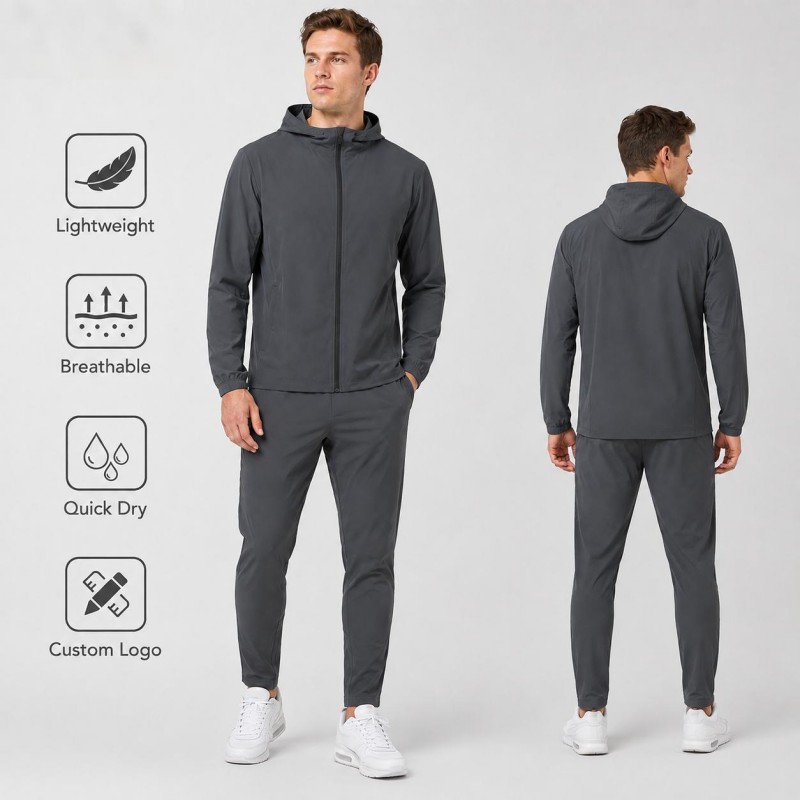
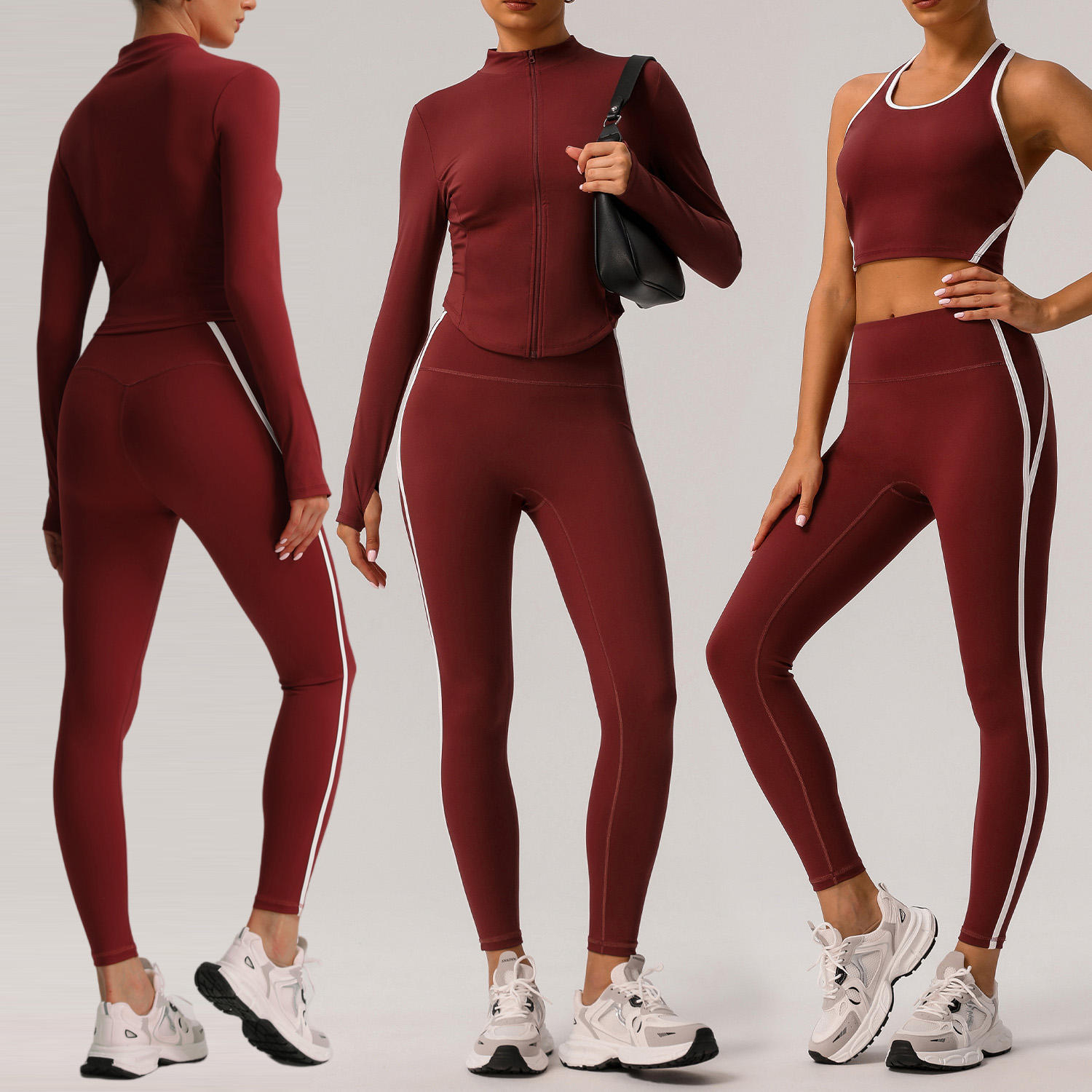 Reference image documents garment fit, seam placement, zipper position, and contrast stripe alignment for activewear sampling review.
The production of custom sportswear involves a series of interconnected steps that transform a design idea into a wearable, durable, and market-ready product. Each stage requires precision, collaboration, and a deep understanding of performance fabrics and construction techniques. While the exact timeline can vary depending on factors like order quantity, material availability, and the complexity of customization, a standard process typically unfolds as follows.
Step 1: Design Concept and Tech Pack Creation
Every sportswear project starts with a clear design. This is more than just a sketch; it requires a detailed tech pack that serves as the blueprint for manufacturing. A comprehensive tech pack includes technical sketches (front and back), measurement specifications for each size, material swatches or references, stitching details, logo placement, and any special construction notes. For brands without in-house design capabilities, experienced manufacturers like Junhao’s custom sportswear service often offer ODM support, helping to develop designs based on market trends and buyer requirements.
At this stage, it’s also crucial to define your target market and compliance needs. For example, sportswear destined for Europe or the USA may need to meet specific fabric testing standards for chemicals, flammability, or lead content. Communicating these requirements early prevents costly rework later in the sportswear manufacturing process.
Step 2: Material Sourcing and Fabric Selection
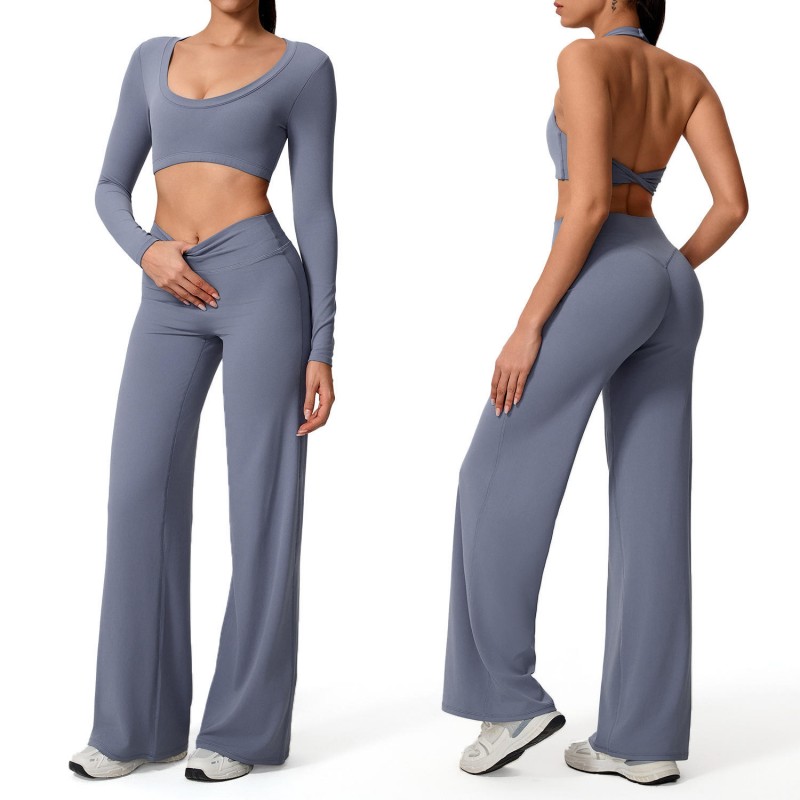
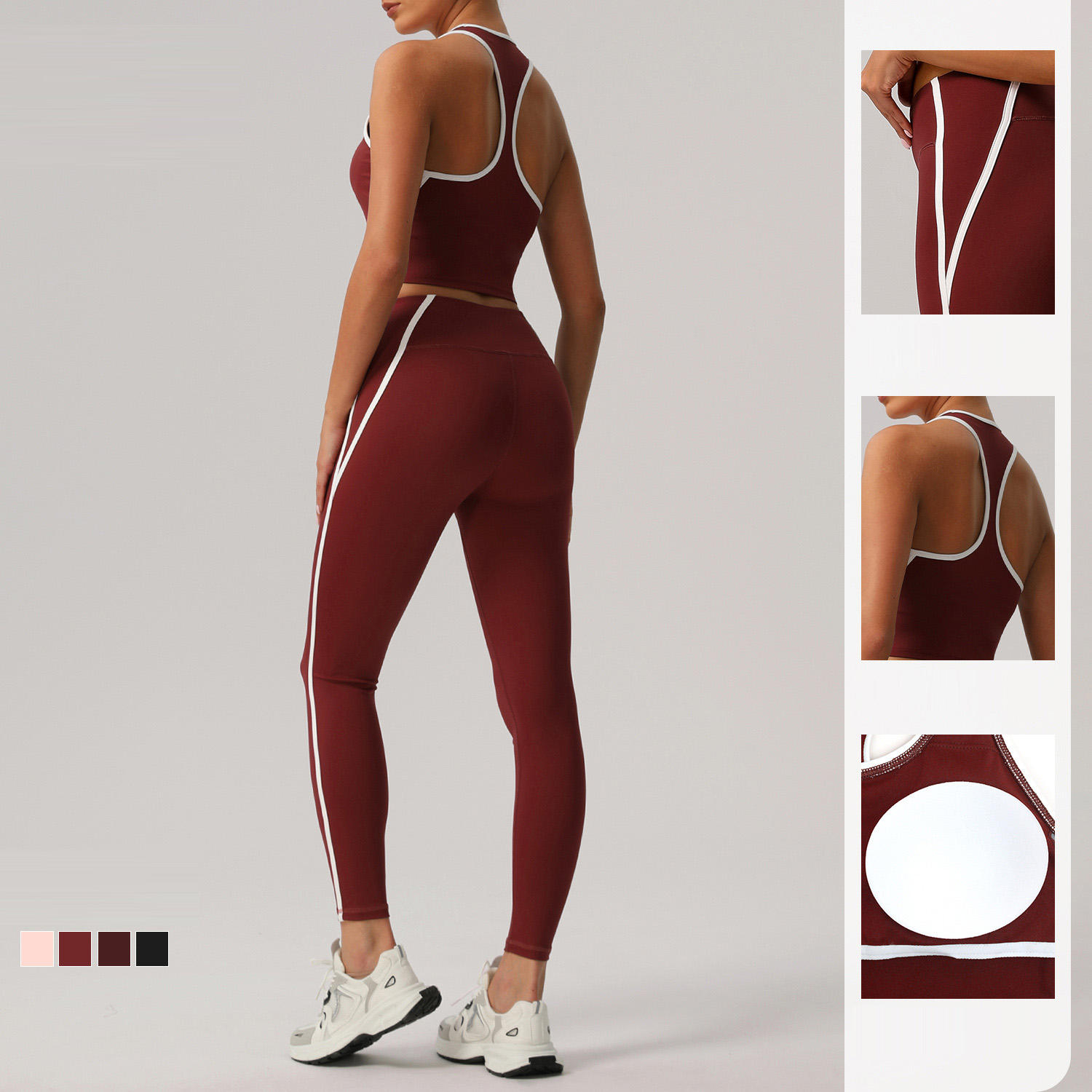 Back-view activewear sample documents seam placement, binding alignment, and panel fit for production specification review.
The performance of sportswear is heavily dependent on fabric choice. Whether you need moisture-wicking polyester for running tops, compression-grade nylon/spandex for leggings, or sustainable recycled fibers for eco-conscious consumers, the sourcing phase is critical. A professional factory like Junhao Sportswear maintains relationships with reliable fabric mills and can provide options based on your budget, performance needs, and sustainability goals.
Common functional fabrics include:
- Polyester blends: Lightweight, quick-drying, ideal for team jerseys and active tops.
- Nylon/spandex: High stretch and recovery, perfect for compression wear and yoga pants.
- Cotton blends: Soft hand feel, often used for lifestyle activewear and leisure pieces.
- Specialty fabrics: Options like UV protection, anti-odor, or thermal regulation are available based on custom requirements.
During this phase, fabric weight, drape, colorfastness, and shrinkage are evaluated. Samples of materials are typically sent to the buyer for approval before bulk ordering. The lead time for fabric can influence the overall production schedule, especially for custom-dyed or printed materials.
Step 3: Pattern Making, Grading, and Sampling
Once the design and materials are confirmed, pattern making begins. This involves creating the paper or digital templates that will guide the cutting of fabric. Patterns are drafted based on the measurements in the tech pack, and then graded to create a consistent fit across all sizes (e.g., XS to XXL). Advanced factories use CAD systems for precision and efficiency.
The first physical sample, often called a prototype or development sample, is then sewn. This sample allows the buyer to evaluate the design, fit, and fabric in real life. Multiple rounds of sampling may be needed to refine details. After approval of the fit sample, a pre-production sample (PP sample) is made using actual bulk materials and production processes. This serves as the final benchmark for quality and construction before mass production begins.
Step 4: Cutting and Preparing Components
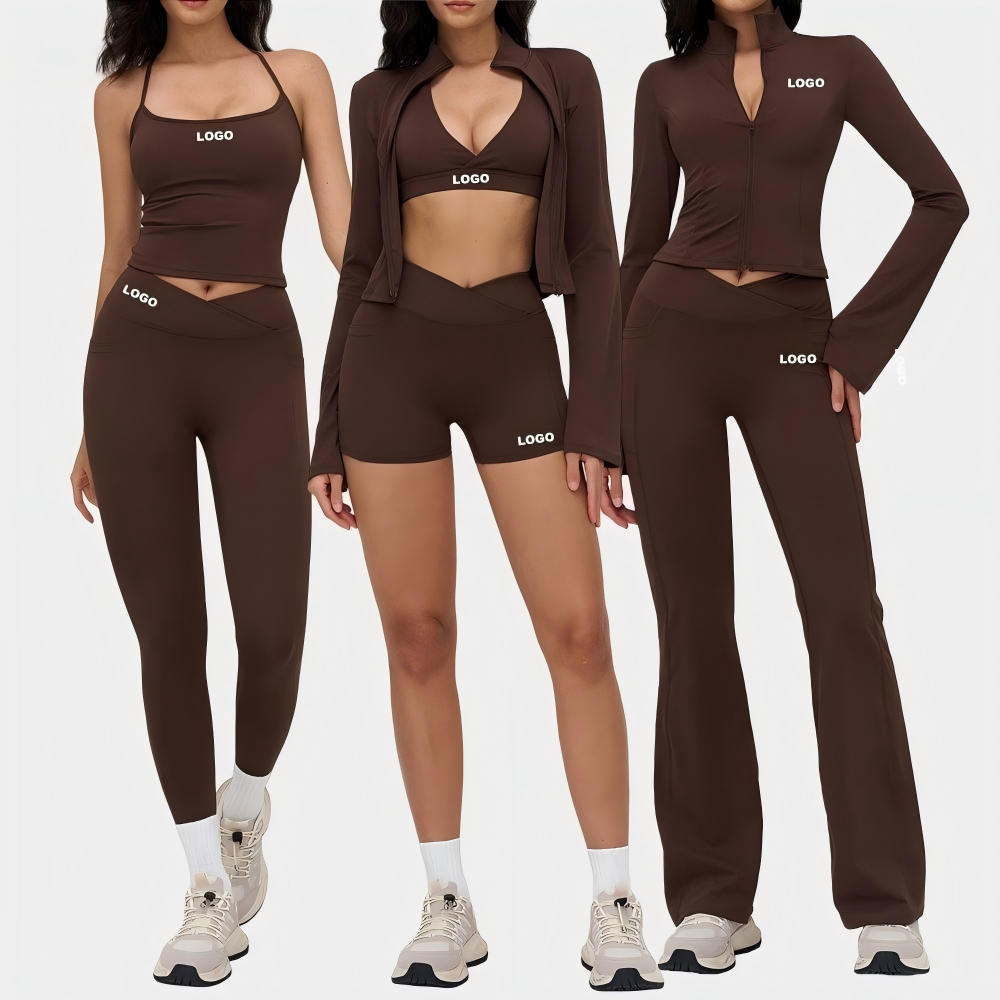
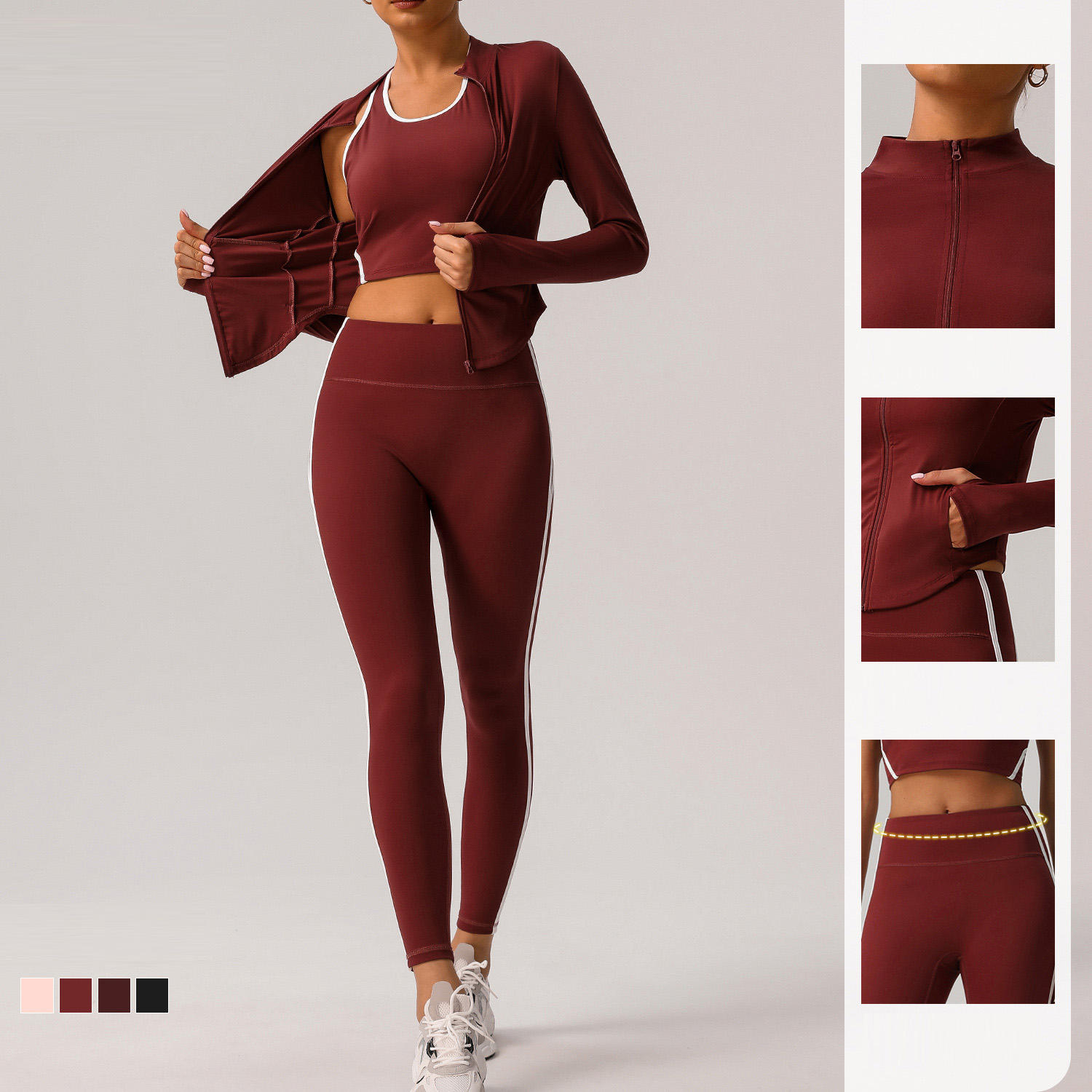 Studio product record showing jacket zipper placement, thumbhole sleeve construction, and waistband fit reference for production specification review.
With the approved PP sample in hand, the factory moves to production. Fabric is laid out in multiple plies on a cutting table and cut using electric knives or automated cutting machines, following the pattern pieces. This stage requires precision to minimize waste and ensure consistency. Simultaneously, other components like zippers, drawcords, elastic bands, and labels are prepared. Proper inventory management at this point ensures that all parts are ready for the assembly line.
Step 5: Sewing and Assembly Line Production
The sewing floor is the heart of the sportswear manufacturing process. Cut pieces are distributed to skilled operators, each specialized in a specific task—overlocking, flatlock stitching, attaching sleeves, setting zippers, etc. A modular or progressive bundle system is often used to maximize efficiency and quality. Inline quality checks are performed at multiple points: after key construction steps and at the end of the line. Stitches per inch (SPI), seam strength, and seam puckering are closely monitored to meet sportswear durability standards.
Step 6: Printing, Embroidery, and Embellishment
Customization like logos, team names, or graphics is added at this stage. The method depends on the design and fabric. Sublimation printing is popular for all-over designs on polyester garments, offering breathable, fade-resistant results. Screen printing works well for cotton blends and produces vibrant colors. Embroidery adds a premium look, especially for polo shirts and outerwear. Heat transfer vinyl (HTV) is another option for small orders. Each technique has its own durability and care requirements, and the factory will recommend the best fit based on your artwork and budget. Learn more about available branding methods on our custom sportswear page.
Step 7: Quality Control and Inspection
Quality control is not a single step but a thread running through the entire process. In addition to inline checks, finished garments undergo a thorough final inspection. This often follows an AQL (Acceptable Quality Level) sampling plan, where a random selection of pieces is checked for defects such as skipped stitches, crooked seams, incorrect measurements, or color shading. Functional tests, like zipper operation and stretch recovery, are also performed. For high-performance gear, specialized tests for seam slippage, pilling, or colorfastness to washing and light may be conducted in a lab. This rigorous attention to detail ensures that your sportswear can withstand intense workouts and frequent washing.
Step 8: Finishing, Packing, and Shipping
Once approved, garments are trimmed of loose threads, pressed or steamed, and folded according to buyer specifications. Custom branding elements like hang tags, price stickers, and poly bags are applied. The packing list is carefully prepared to match the order breakdown. Finally, cartons are labeled and either stored for consolidation or shipped directly. Logistics can vary widely; Junhao Sportswear works with buyers on FOB, CIF, or DDP terms, depending on preference and importer capabilities. For general inquiries, visit our contact page.
Key Factors That Affect Custom Sportswear Production
Understanding what influences the sportswear manufacturing process can help you plan better:
- Order quantity: Larger orders often achieve lower unit costs but require longer production runs.
- Customization complexity: Multiple print locations, intricate embroidery, or special washes add time.
- Fabric lead time: Custom-dyed or imported fabrics may take 2-4 weeks to arrive.
- Seasonal demand: Factories are busier before major retail seasons; planning ahead secures your slot.
- Testing and compliance: Mandatory third-party testing can add 1-2 weeks to the timeline.
Communication is key. Providing a complete tech pack and clear feedback during sampling speeds up the entire process. A reliable manufacturing partner will guide you through these variables and offer realistic timelines based on current capacity.
Why Partner with a Specialized Sportswear Manufacturer?
Not all clothing factories are equipped to make performance sportswear. Specialized manufacturers like Junhao Sportswear invest in the right machinery (e.g., flatlock machines, automated cutting tables), skilled workforce trained in stretch fabrics, and fabric sourcing networks. They understand that a seam in a yoga legging must hold up under stress, or that a running shirt needs flat seams to prevent chafing. This domain expertise translates into higher quality, fewer defects, and a smoother overall experience when producing custom activewear. For a deeper look into our capabilities, visit our expertise page.
FAQ
What are the main steps in the sportswear manufacturing process?
The process includes design and tech pack creation, material sourcing, pattern making and grading, sample development, cutting, sewing, printing or embellishment, quality control, finishing, packing, and shipping.
How long does custom sportswear manufacturing take?
Sample development typically takes 2-4 weeks, and bulk production 4-8 weeks after sample approval. Lead times depend on order quantity, customization complexity, and material availability.
What quality control measures are used in sportswear production?
Quality control includes fabric inspection, in-line sewing checks, measurement audits, seam strength testing, colorfastness tests, and final random inspections against AQL standards to ensure performance and durability.
Can I customize fabrics and logos in the sportswear manufacturing process?
Yes, brands can select performance fabrics, specify logo techniques like embroidery or screen printing, and choose colors and trims, subject to minimum order quantity and production feasibility requirements.
Ready to Start Your Sportswear Project?
Now that you understand the sportswear manufacturing process, you’re better equipped to make informed decisions. Whether you need a small batch for a boutique line or large-scale production for a team sponsorship, Junhao Sportswear has the expertise and capacity to deliver. Reach out to our team with your design ideas, quantity requirements, and target timeline for a personalized consultation and quote.