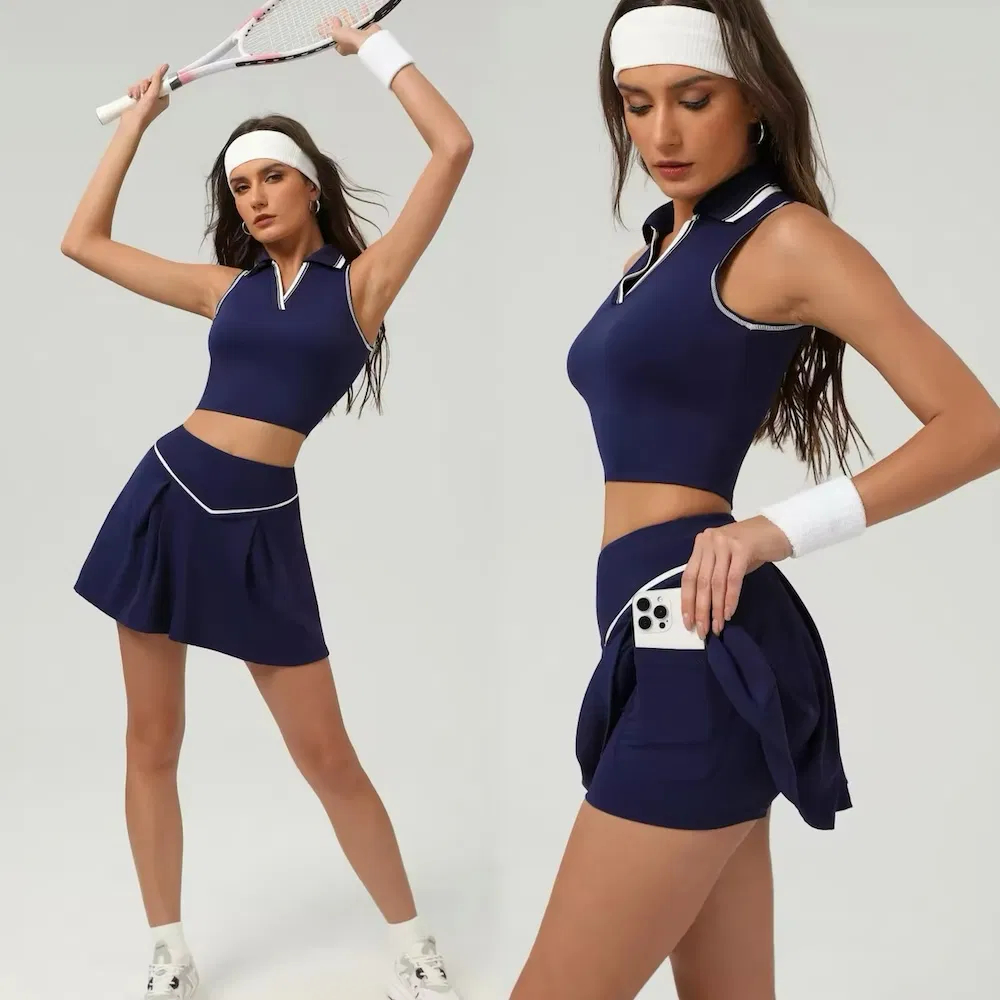
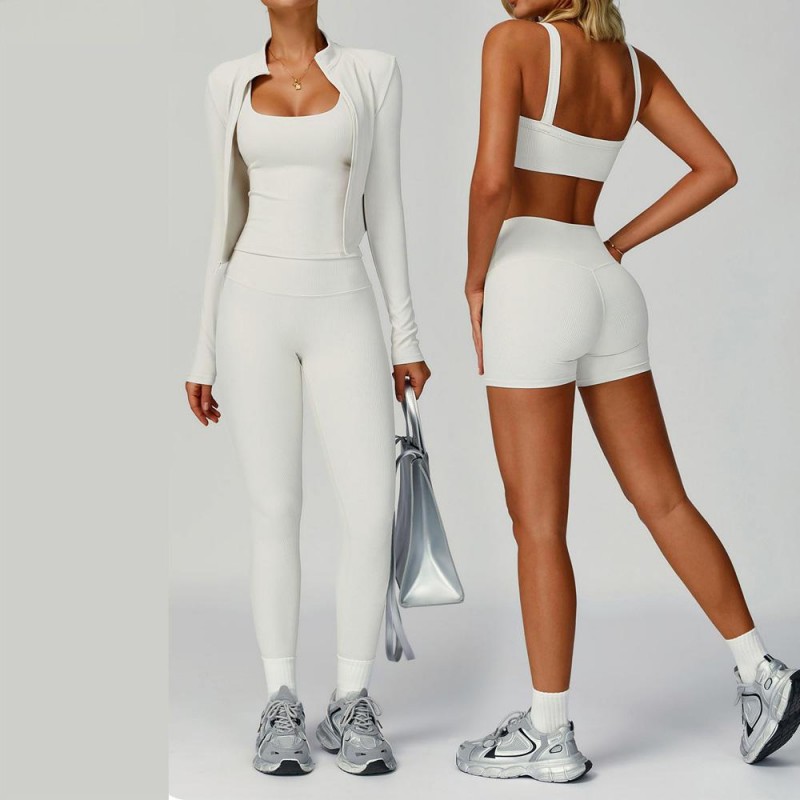
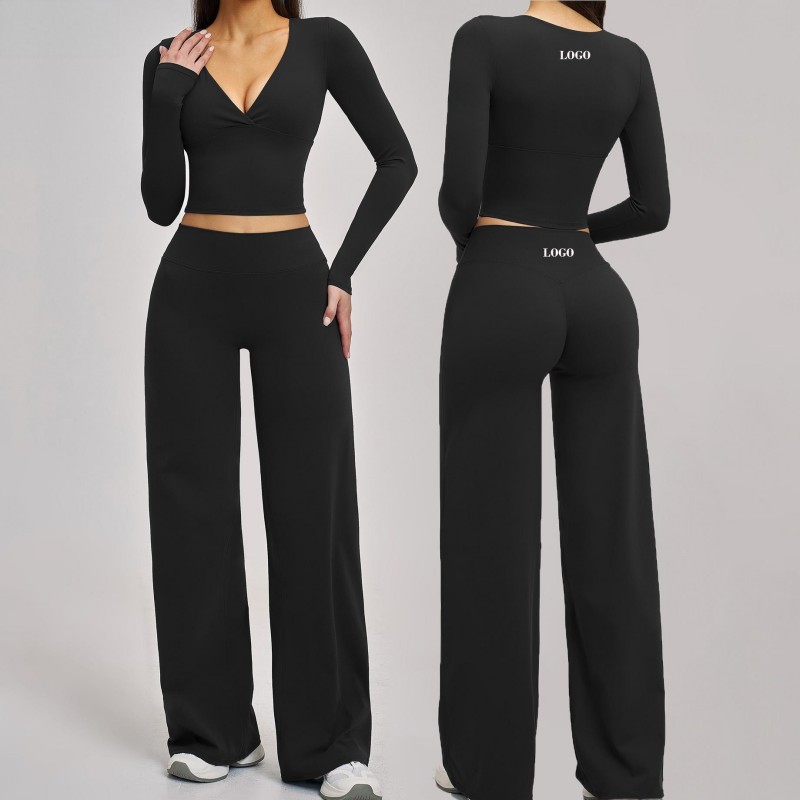
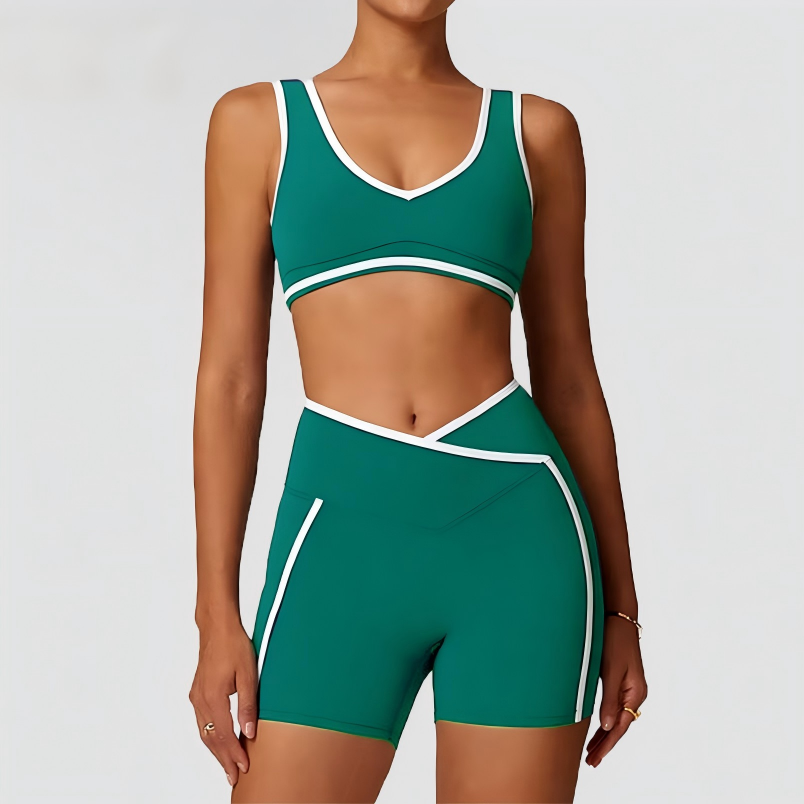
In the competitive activewear market, branding is everything. While the fabric and fit get the most attention, small details like custom hang tags play a silent but powerful role. They’re the first thing a buyer or retailer notices—even before touching the garment. For B2B buyers, especially those developing a private label or OEM line, custom hang tags for activewear are not just an add-on; they’re a strategic brand asset.
Whether you’re ordering 500 pieces for a boutique launch or 50,000 for a global retail rollout, understanding the materials, design options, and sourcing process ensures your hang tags work as hard as your activewear. This article dives into the essentials every B2B buyer needs to know about custom hang tags for activewear.
Why Custom Hang Tags Matter in Activewear Branding
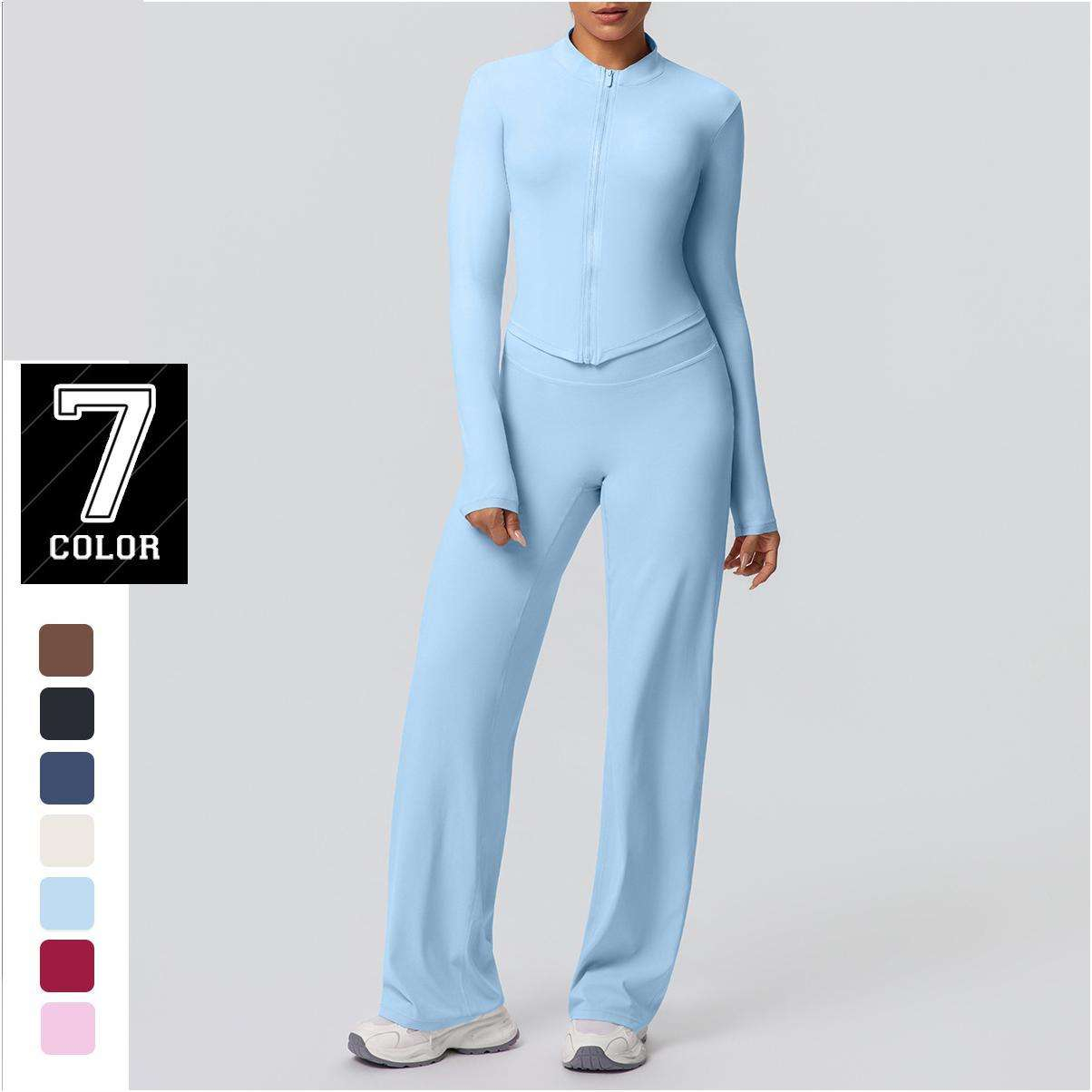 Reference garment image documenting zip-front top construction, trouser silhouette, and color option control for production review.
Activewear hangs on racks, gets tried on, and often returns to the hanger. A hang tag is your silent salesperson. It instantly communicates brand identity, quality, and product information. Unlike labels sewn into seams, hang tags offer a larger canvas for storytelling—logos, care instructions, brand values, and even QR codes linking to online content.
For B2B buyers, the right hang tag can transform a generic garment into a branded product that commands higher wholesale prices. Retailers are more likely to stock items with professional, cohesive branding. Custom hang tags for activewear also reinforce your brand’s positioning as premium, eco-conscious, or performance-driven, helping you stand out in a crowded market.
Research indicates that effective product presentation can influence purchase decisions by more than 70% in some retail environments (source). This underscores the importance of investing in high-quality hang tags.
Key Factors When Ordering Custom Hang Tags
Material Selection for Durability and Feel
Activewear packaging demands materials that withstand handling, humidity, and frequent movement. Common choices include:
- Coated paper: Affordable and printable, with a smooth finish. Suitable for indoor retail.
- Synthetic paper (e.g., Tyvek): Tear-resistant, water-resistant, and lightweight—ideal for activewear that may be tried on repeatedly.
- Plastic (PVC, PET): Highly durable and waterproof, often used for premium or outdoor brands.
- Recycled or sustainable materials: Kraft paper, FSC-certified cardstock, or biodegradable options appeal to eco-conscious markets.
Your choice depends on brand image, budget, and the end-use environment. A yoga wear line might opt for soft-touch recycled paper, while a rugged outdoor brand may prefer synthetic tear-proof tags. Always request material samples from suppliers to assess feel and durability before committing.
Design Essentials for Brand Impact
A well-designed hang tag does more than display a logo. It tells a story. Key design elements include:
- Brand logo and colors: Ensure consistency with your overall branding, including sportswear labels and packaging.
- Shape and size: Die-cut shapes (e.g., rounded corners, custom silhouettes) add uniqueness without high cost.
- Finishing options: Matte or gloss lamination, spot UV, foil stamping, embossing, or debossing can elevate perceived quality.
- Information hierarchy: Prioritize essential info—size, care symbols, fabric composition—and consider a secondary tag for detailed care instructions if needed.
- Attachment method: Options include string, plastic swift tack, metal eyelets, or safety pins. Choose based on garment type and retail display.
Work with a design file template from your supplier. Provide vector files (AI, EPS, PDF) for precise printing. If you’re developing multiple SKUs, consider a modular design with variable data fields for size and color, reducing setup costs.
Sustainability and Compliance Considerations
Sustainability is a major driver in activewear. Many brands now require eco-friendly hang tags. Options include FSC-certified paper, soy-based inks, and biodegradable strings. If your activewear is marketed as sustainable, the hang tag must align—otherwise, it creates a disconnect that eco-aware buyers will notice.
Additionally, if exporting to regions like the EU, check chemical regulations for inks and coatings (e.g., REACH compliance). Some certifications, like OEKO-TEX, may extend to packaging components. Clarifying these requirements upfront with your supplier prevents costly customs delays.
Sourcing Custom Hang Tags: Supplier or Specialist?
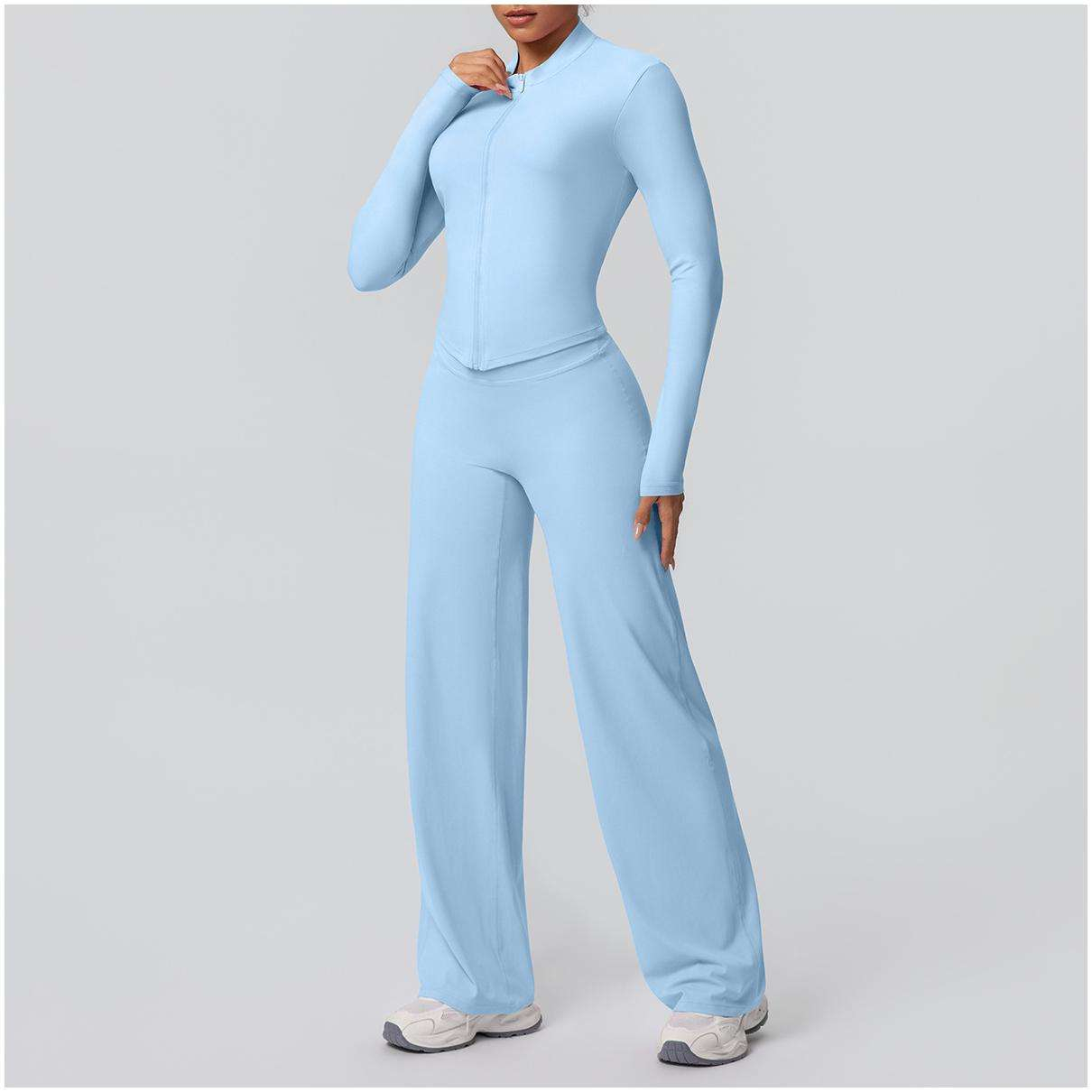 Finished activewear sample showing zipper placement, sleeve fit, and trouser proportion for specification review before bulk production.
While many activewear manufacturers offer integrated hang tag services, it’s often wise to compare with specialized hang tag printers. A sportswear factory might coordinate production efficiently, but a dedicated printer may offer more material options, advanced finishes, and competitive pricing—especially for large volumes. Assess based on:
- MOQ flexibility: Some printers cater to small runs with digital printing, while others specialize in offset for high-volume orders.
- Lead times: Custom shapes and finishes add production time. Plan for 2–4 weeks after design approval.
- Quality control: Request pre-production samples (PP samples) to verify color accuracy, material thickness, and attachment strength before mass production.
- Integrated logistics: If your activewear is manufactured overseas, consolidating hang tag production with garment manufacturing can save freight costs. Conversely, producing tags locally may allow faster reorders.
When negotiating, provide clear specifications: dimensions, material, color codes (Pantone), attachment method, and any certifications required. This reduces back-and-forth and ensures accurate quotations.
Cost Factors and Budget Planning
Custom hang tag pricing depends on several variables. Understanding these helps you budget effectively:
- Quantity: Unit cost drops significantly with larger orders due to setup efficiencies. A 5,000-piece order may cost three times less per tag than a 500-piece order.
- Material: Basic coated paper is cheapest; synthetic or specialty stocks add premium.
- Printing technique: Digital printing suits small runs with full color; offset printing is economical for high volumes. Specialty processes like foil stamping or embossing increase setup charges but add high-end appeal.
- Finishing and attachment: Lamination, die-cutting, and strong attachments like metal grommets increase unit cost.
- Design complexity: A simple rectangular tag with one-color print is far cheaper than a multi-color, die-cut tag with foil accents.
As a reference, for a standard coated paper tag with full-color print and string attachment, costs might range from $0.05–$0.30 per piece at moderate volumes (5,000–10,000 units). Premium materials and finishes can push costs to $0.50 or higher. Always request itemized quotes to identify cost drivers.
Steps to Order Custom Hang Tags
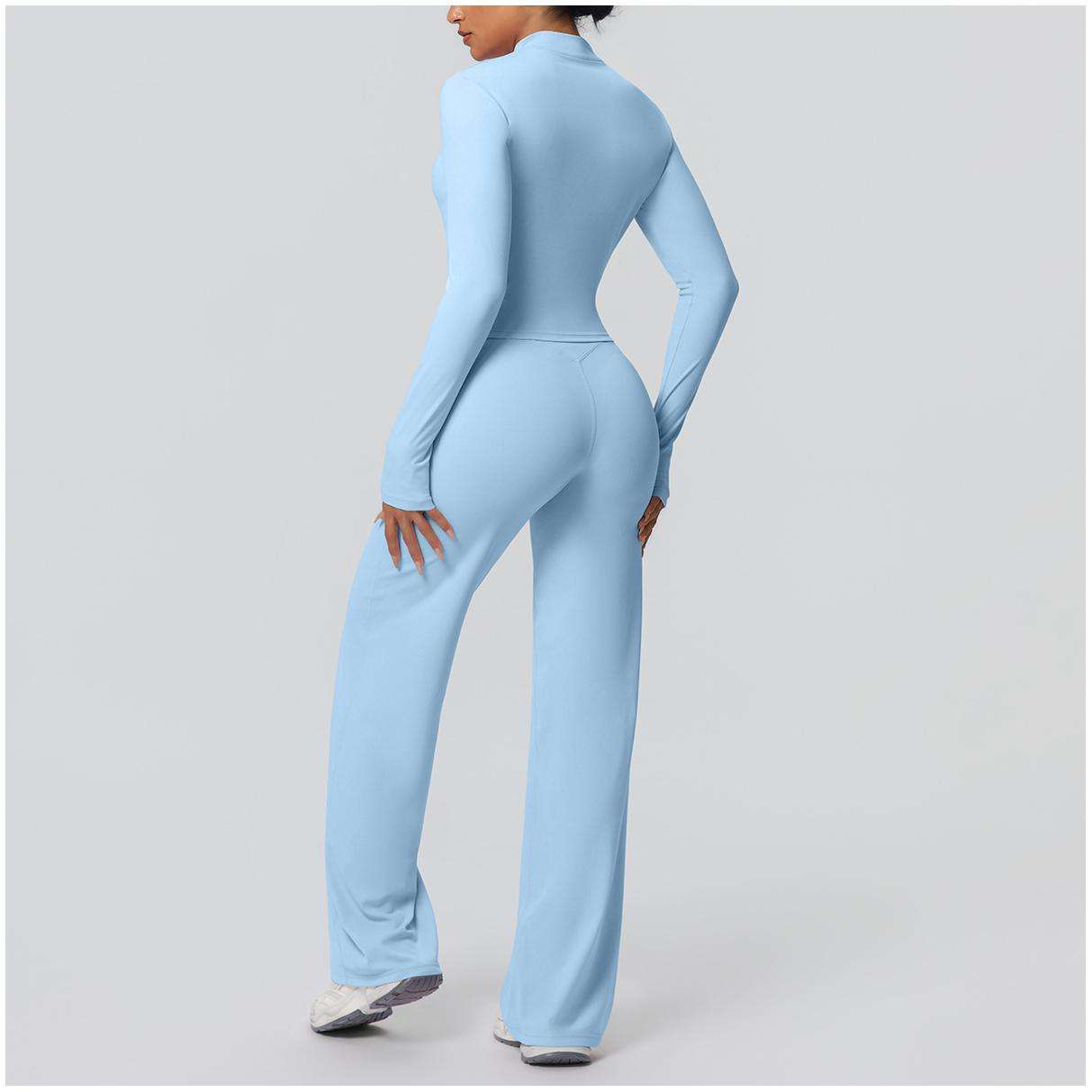 Rear-view garment sample records sleeve fit, waist seam placement, and trouser drape for sportswear production review.
A structured approach ensures your hang tags meet brand expectations and arrive on schedule. Follow these steps:
- Define requirements: Determine tag size, material, color scheme, attachment method, and essential information (logo, size, care symbols, website). Consider if you need variable data (e.g., different SKUs on same design).
- Design: Create artwork in vector format. If you lack in-house design, most suppliers offer design services for a fee. Include dielines for custom shapes.
- Request quotes: Send specifications to 3–5 suppliers—including activewear manufacturers and label printers. Compare MOQ, pricing, lead times, and sample policies.
- Order samples: Before bulk production, get a physical pre-production sample. Check material thickness, print quality, color accuracy, and attachment durability. Tear, bend, and wet-test the tag.
- Approve and produce: Once you approve the sample, confirm the order quantity and timeline. Arrange periodic quality checks if the order is large.
- Coordinate delivery: Decide if tags will be shipped to you separately or directly to the garment factory for attachment. Factor this into production schedules.
Clear communication at each stage prevents errors and reprints.
Expert Tips for B2B Buyers
With years of experience in activewear supply chains, we’ve seen what works—and what doesn’t. Consider these pro tips:
- Think beyond the tag: Integrate hang tags with other branding elements like woven labels, zipper pulls, and packaging for a cohesive unboxing experience.
- Use tags for authenticity: If counterfeiting is a concern, incorporate holographic elements, QR codes linking to blockchain verification, or unique serial numbers.
- Optimize for the sales channel: Tags for e-commerce may need larger barcodes or RFID for inventory management, while retail tags focus on hang appeal and information clarity.
- Test different string lengths: Too short, and the tag hides behind the garment; too long, and it tangles. Standard effective length is 3–5 inches.
- Anticipate reorders: If your brand evolves slowly, order extra tags with just the core logo (no size or seasonal info) for flexibility across seasons. Store remaining tags in a cool, dry place.
By treating hang tags as a strategic investment, you enhance your product’s marketability and brand recall.
FAQ
What materials are best for custom hang tags for activewear?
Durable materials like coated paper, synthetic paper (e.g., Tyvek), or plastic are recommended. They resist moisture, stretching, and abrasion from active use.
Can I add QR codes or NFC chips to my custom hang tags?
Yes, many suppliers offer QR code integration for authenticity checks or linking to care instructions. NFC tags enable interactive digital experiences.
What is the minimum order quantity for custom hang tags?
MOQ varies by supplier but usually starts from 500–1000 pieces. Lower quantities may be possible with digital printing, though unit costs may be higher.
How do hang tags improve activewear brand positioning?
They convey quality and story, reinforce brand identity, and differentiate products in a competitive market. Well-designed tags elevate perceived value.