Activewear Production Cost Factors: A B2B Buyer’s Guide to Budgeting
Understanding the cost structure behind activewear production is essential for any brand or buyer planning a new line or scaling an existing one. Whether you’re launching a yoga collection or a performance training range, knowing what drives manufacturing costs helps you budget realistically, avoid surprises, and negotiate effectively with your manufacturing partner. This article breaks down the key factors that influence the cost of producing activewear, providing a clear framework for both new and experienced B2B buyers.
The Core Cost Drivers in Activewear Manufacturing
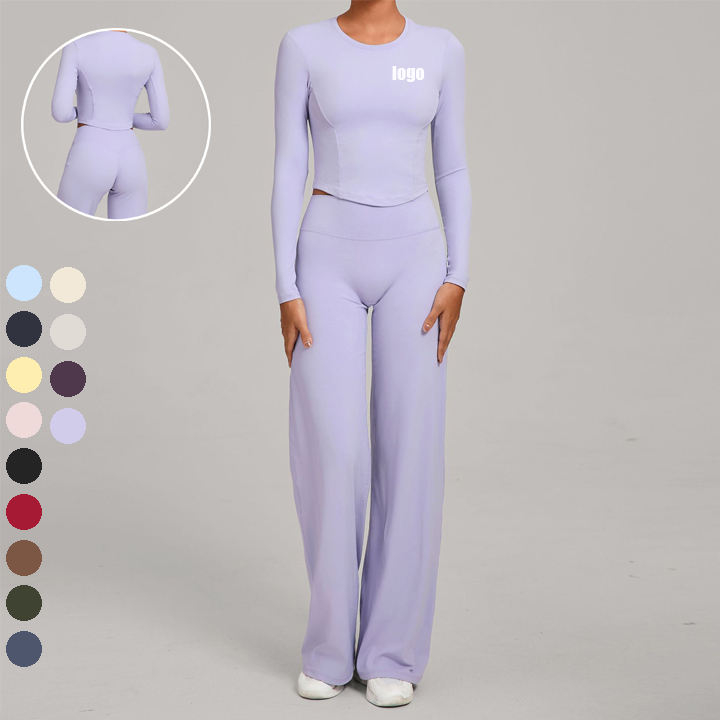
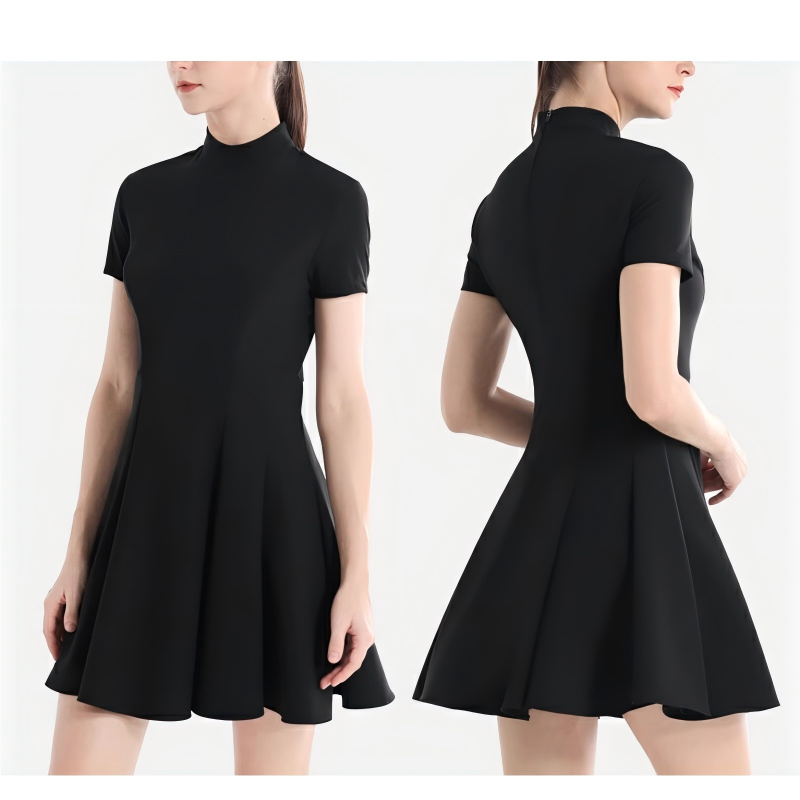 Front and back views document collar shape, sleeve length, waist seam placement, and skirt flare for sample review.
Activewear production costs can be grouped into several main categories. While the exact percentages vary by design complexity and order volume, understanding each driver is the first step toward cost optimization.
- Materials and Fabrics: This is usually the largest expense. Specialized performance fabrics such as moisture-wicking polyester, compression nylon blends, and eco-friendly options like recycled PET or Tencel cost more than basic cotton. The required yardage per unit, fabric width, and any minimums imposed by mills also matter.
- Labor Costs: Production labor includes cutting, sewing, finishing, and quality control. Garments with complex designs—multiple panels, flatlock stitching, seamless construction, or intricate ventilation details—demand more skilled labor and longer assembly times, raising costs.
- Customization and Branding: Custom logos, labels, hang tags, packaging, and unique trim (e.g., custom zippers or drawcords) add per-unit costs. Techniques like embroidery, sublimation, or high-elasticity screen printing each have different pricing structures based on complexity and placement.
- Order Quantity and MOQs: Economies of scale play a huge role. Larger orders reduce the per-unit share of fixed setup costs (patterns, molds, screens). Low minimum order quantities often mean a higher unit price because the factory must cover these initial expenses over fewer garments.
- Development and Sampling: Prototyping, pattern making, and sample revisions incur upfront costs. Multiple sample rounds are common when perfecting fit and function; each iteration adds to the total development budget.
Fabric and Material Selection: The Primary Cost Variable
The fabric you choose is the most influential factor in cost. Performance fabrics are not all created equal. Here’s how different materials stack up in a B2B context:
| Fabric Type | Typical Properties | Relative Cost | Common Activewear Uses |
|---|---|---|---|
| Basic Polyester/Spandex Blend | Good stretch, moisture-wicking, durable | Low–Medium | Leggings, sports bras, base layers |
| Recycled Polyester (rPET) | Eco-friendly, similar performance to virgin polyester | Medium–High | Sustainable activewear lines |
| Nylon/Spandex | Compression, lightweight, quick-dry | Medium | Yoga wear, swimwear, performance tops |
| Merino Wool Blends | Temperature-regulating, anti-odor | High | Outdoor activity base layers |
| Specialty Finishes (UV, Anti-microbial, etc.) | Value-added performance features | Adds 10–30% to base fabric cost | Any activewear requiring enhanced functionality |
Beyond type, fabric consumption impacts total cost. Garments requiring more yardage due to design (e.g., oversized hoodies, full-length leggings) or pattern efficiency (marker layout) directly affect material expense. Testing requirements—such as colorfastness, shrinkage, and pilling resistance—also add to the cost but are crucial for quality assurance.
For more on material considerations, see our custom sportswear page.
Design Complexity and Labor Intensity
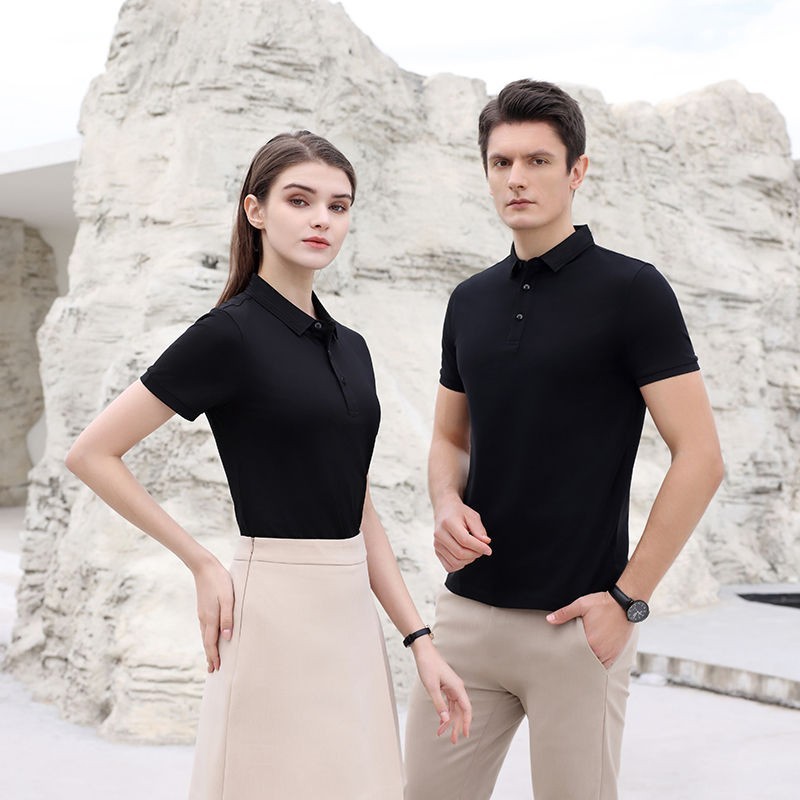
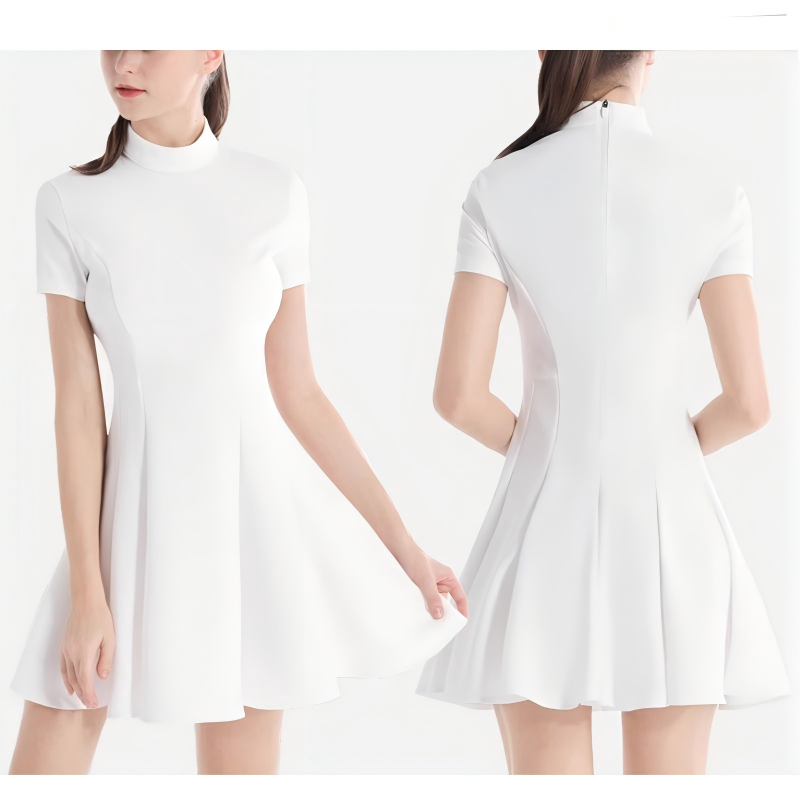 Front and rear views document collar shape, sleeve placement, skirt panels, and zipper alignment for production assessment.
Labor cost isn’t simply an hourly rate; it’s about the time and skill required to execute your design. A basic T-shirt with two seams and a hem takes far less time than a high-end yoga legging with gussets, reinforced stitching, multiple pockets, and a high-rise waistband.
Key labor factors include:
- Seam construction: Flatlock seams, coverstitching, and bonded seams require more specialized machinery and operator expertise than standard overlock.
- Assembly steps: Adding zippers, adjustable straps, hidden pockets, or reflective details increases handling time per unit.
- Size grading: More sizes mean more patterns and more approval steps, though the incremental cost per size is typically manageable once per-order quantity thresholds are met.
- Quality inspection points: Additional inline or final QC checkpoints add cost but reduce defect rates—a trade-off worth considering for premium brands.
Customization, Branding, and Packaging Costs
Brand identity elements impact unit cost. These costs can be fixed (one-time setup) or variable (per-piece). Common cost drivers:
- Custom labels (woven or printed) and hang tags
- Logo application: embroidery, heat transfer, sublimation, or high-density print
- Custom zipper pulls, drawcord ends, or buttons
- Individual poly bags, retail-ready packaging, or hang tag attachment
Packaging decisions influence both cost and logistics. A simple poly bag with a barcode sticker is the most economical; premium folded packaging with insert cards is more expensive and adds bulk, potentially increasing shipping costs. Discuss your branding vision early to align on feasible options within your target price range.
Order Volume and the Economy of Scale
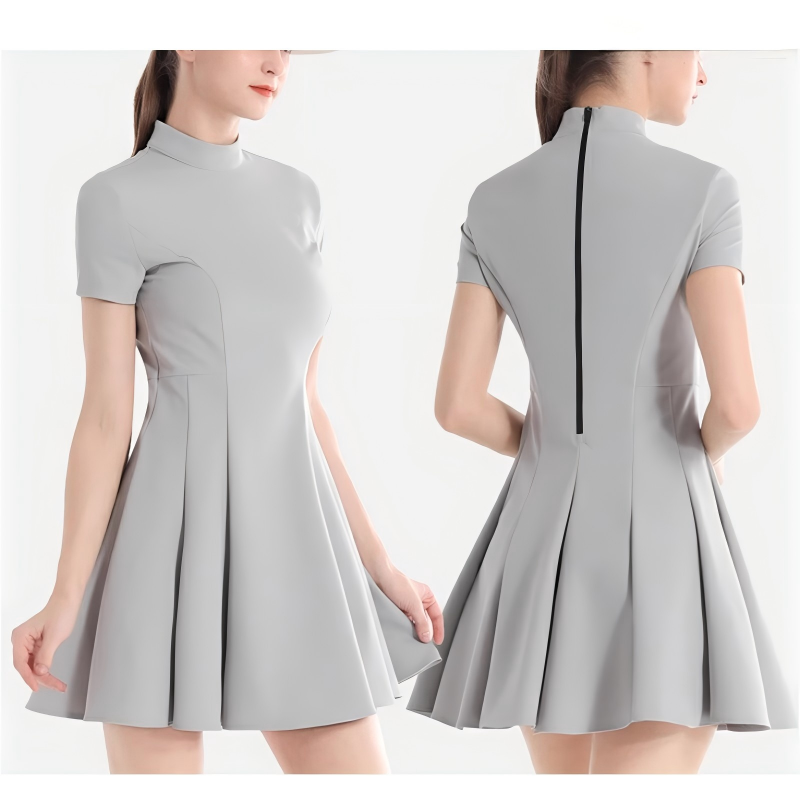 Front and back views document panel shaping, rear zipper placement, and hem symmetry for golf dress sample evaluation.
Order volume is the most immediate lever you can pull to reduce per-unit cost. Here’s a simplified illustration of how costs scale:
- Low volume (fewer than 300 pieces): Unit price is highest due to setup charges, inefficient fabric utilization, and production line changeovers. Some factories may apply a small-order surcharge.
- Mid volume (300–1,500 pieces): Setup costs are amortised across a larger base, fabric consumption becomes more economical, and production efficiency improves. This is often the sweet spot for new brands transitioning from sampling to market.
- High volume (1,500+ pieces): Significant discounts on materials and labor efficiency. At this level, even minor design efficiencies can yield substantial savings.
Bear in mind that MOQs exist for components beyond garments: fabric mills often require minimum roll orders, and trim suppliers have their own thresholds. Your manufacturing partner can help you manage these complexities.
To plan your order efficiently, reach out via our contact page.
Development and Sampling: What to Budget For
Before bulk production starts, you’ll need prototypes and samples. These are essential to get the fit and quality right but represent an upfront investment.
- Pattern making and grading: A charge for each new style; more complex designs cost more.
- Fabric sourcing and testing: Finding the right fabric may involve sourcing swatches and lab dips for color matching.
- Sample rounds: Expect to pay for each sample, plus shipping. Typically, 2–4 rounds are needed: first fit sample, revised sample, pre-production sample, and sometimes a top-of-production sample.
These costs can range from a few hundred to a few thousand dollars, depending on the number of styles and iterations. Transparent communication with your manufacturer about which changes are included and which incur extra charges helps control this expense.
Logistics and Indirect Costs
Production cost doesn’t stop at the factory door. Consider:
- Shipping and freight: Air freight is fast but expensive; sea freight is economical for large volumes but slower.
- Duties and taxes: Vary by country and product classification. Research applicable tariff codes for activewear in your target market.
- Warehousing and fulfillment: Holding inventory and distributing to retail or customers adds cost. Some factories offer direct-to-consumer fulfillment services at additional per-unit rates.
While these are indirect, they affect your total landed cost and should be factored into your financial planning. For brands targeting the US market, for instance, understanding Chapter 62 or 61 duty rates is crucial.
Working with a Manufacturer: How to Optimize Costs
Effective collaboration with your factory can significantly impact your cost structure. Here are a few strategies:
- Provide clear tech packs: Detailed specifications reduce misunderstandings and rework costs.
- Consolidate orders: Group styles to meet higher volume thresholds.
- Be flexible on fabric: Working with a factory’s existing mill relationships can yield better prices than sourcing a unique, low-demand material.
- Plan lead times: Rush orders often incur higher costs and air freight expenses. A well-planned production calendar minimizes this.
- Review sample costs: Agree on a sample policy upfront— some manufacturers refund sample charges against the production order.
For more insights on product development, visit our blog.
FAQ
What is the most significant cost driver in activewear manufacturing?
Fabric and material costs typically represent the largest portion of total production cost, often accounting for 50-70% of the final cost. Performance fabrics with specialized properties like moisture-wicking or compression are more expensive than basic materials.
How does order quantity affect the unit cost of activewear?
Larger orders reduce per-unit cost by amortizing fixed setup costs (patterns, screens) over more units and enabling better raw material pricing. Low MOQ orders carry higher unit costs.
Why does customization increase activewear production costs?
Custom fits, patterns, labels, and logo applications require additional development, specialized processes, and setup fees, all of which contribute to higher per-unit costs, especially for smaller runs.
Are there cost differences between domestic and overseas activewear manufacturing?
Overseas manufacturing often offers lower labor and material costs but involves longer lead times and logistical complexities. Domestic production may have higher unit costs but simpler logistics and faster turnaround.
Do certifications or compliance standards affect activewear production cost?
Certifications like OEKO-TEX or GRS require compliant materials and processes, adding to material costs, testing, and audit expenses. They are often necessary for brands targeting eco-conscious markets.
Ready to start your activewear project? Discuss your design goals, volume expectations, and budget with our team. We’ll help you navigate cost factors and build a collection that performs—in business and on the wearer. Contact Junhao Sportswear today.