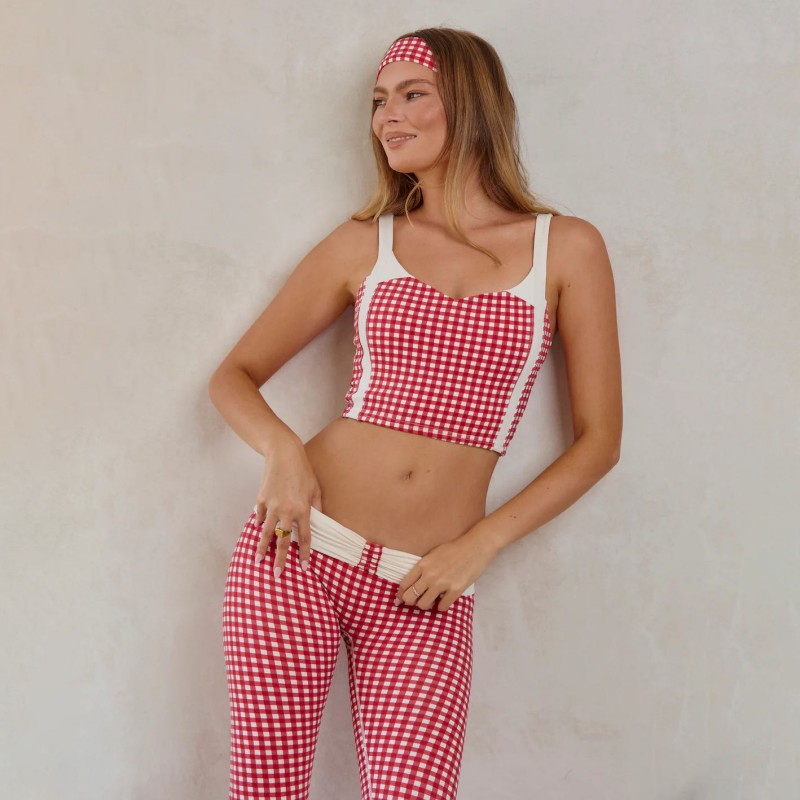
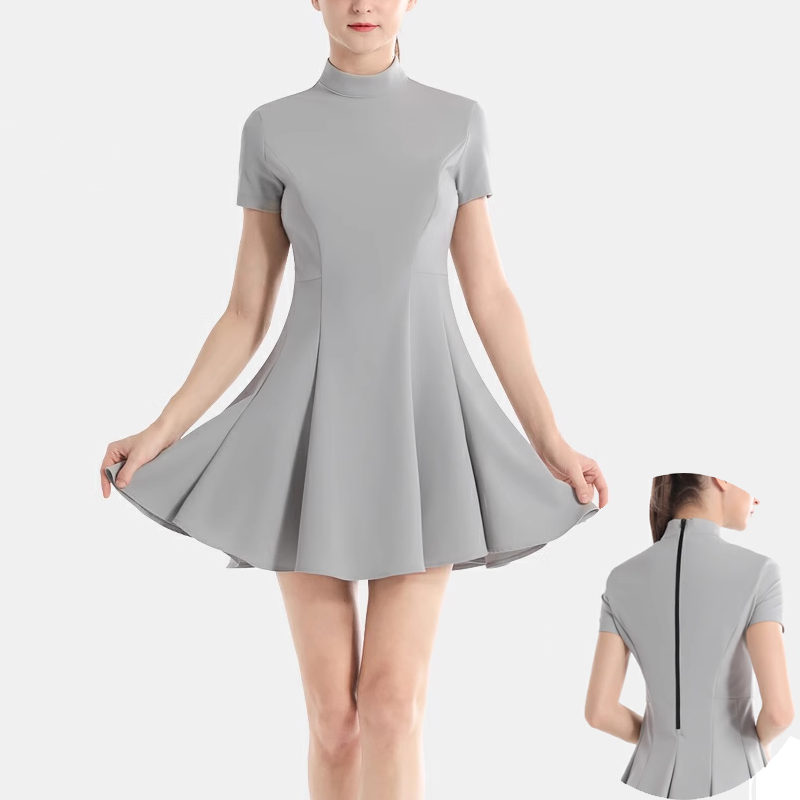
What Is Activewear Sample Development?
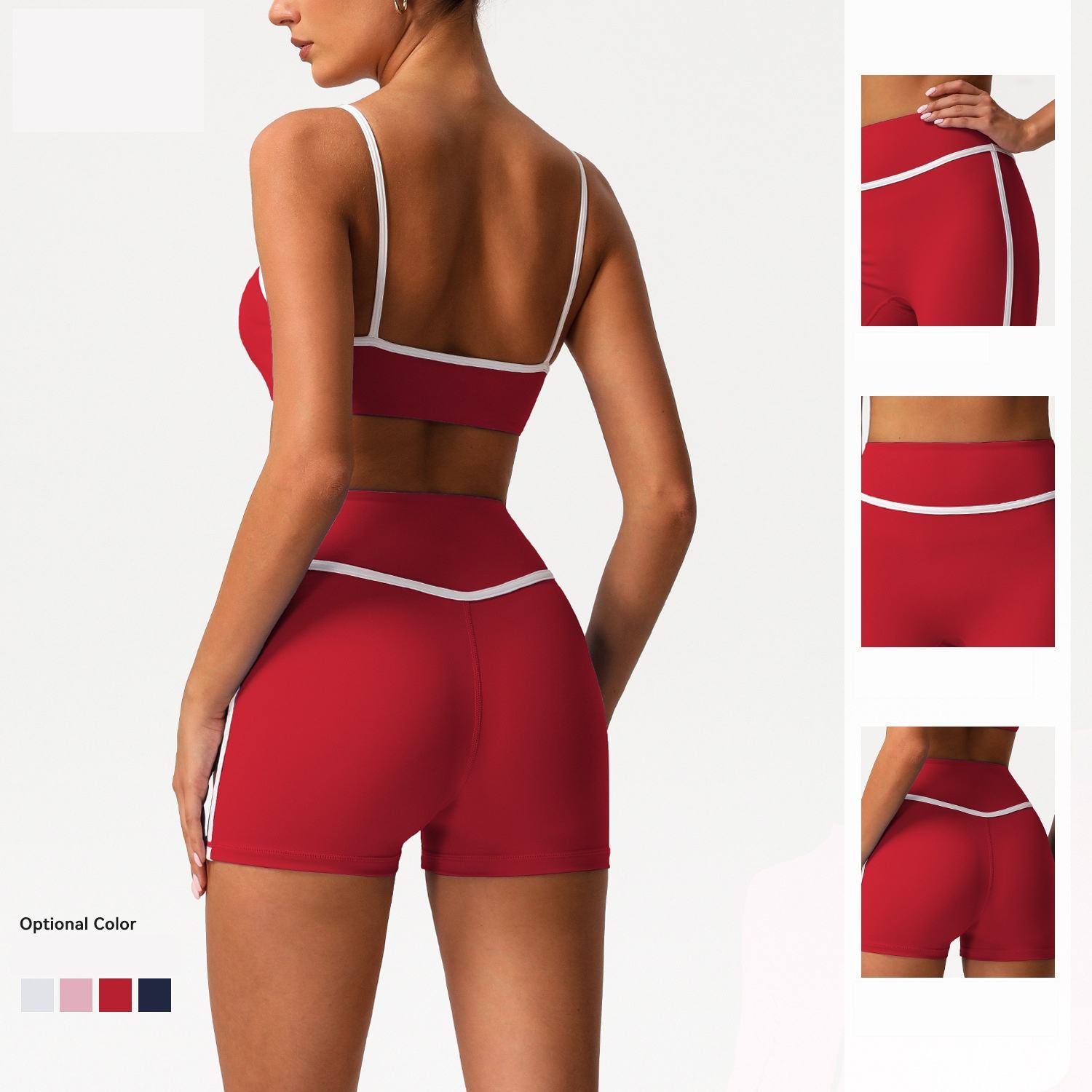 Back-view product reference documents strap placement, waistband piping, and short-leg seam alignment for production specification review.
For B2B buyers, activewear sample development is the critical bridge between a design concept and a production-ready garment. It transforms sketches or reference images into physical prototypes that allow you to evaluate fit, fabric performance, construction details, and overall aesthetics before committing to a bulk order. This process is not about ordering a single piece of clothing—it’s a systematic quality assurance and product validation step tailored to sportswear’s unique demands: stretch recovery, moisture management, seam strength, and movement comfort. Without robust sampling, brands risk inconsistent sizing, material failures, and costly rework during mass production. Every reputable sportswear factory treats sample development as a collaborative engineering phase where your design intent meets manufacturing reality.
Activewear sample development typically includes multiple stages: design review, material sourcing, pattern making, prototype sewing, fitting sessions, and consecutive revisions. The goal is to achieve a production-ready sample that serves as the gold standard for bulk manufacturing. This article explains each step, typical timelines, common challenges, and how to work effectively with a factory partner. Whether you are a startup brand launching your first leggings line or an established company expanding into performance tops, understanding this process protects your investment and speeds time-to-market.
Why Activewear Sample Development Matters for B2B Buyers
Skipping or rushing sample development is one of the most expensive mistakes in sportswear sourcing. Without a verified sample, you cannot confirm critical attributes like compression level, gusset comfort, pocket functionality, or print durability after washing. Activewear garments involve elastic materials, bonded seams, and specialized finishes that behave differently under stress compared to casual apparel. A sample lets you test these properties on a live model or fit form and make data-driven adjustments to patterns or materials.
From a business perspective, a well-executed sample phase reduces bulk order risk. It aligns all stakeholders—designers, factory technicians, quality control teams—on a shared physical reference. This prevents misunderstandings about measurements, color shades, or hand feel. Additionally, if you plan to market pre-orders or pitch to retailers, having a professional prototype builds credibility and allows for accurate photography and promotional content creation. For B2B buyers, sample development is not an extra cost; it’s a cost-containment strategy.
The Step-by-Step Activewear Sample Development Process
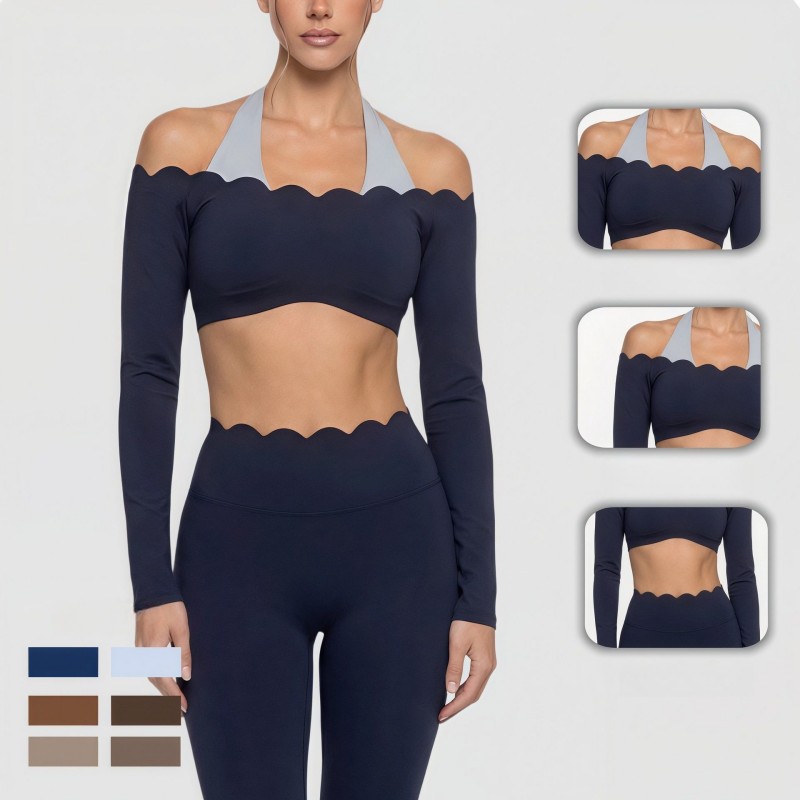
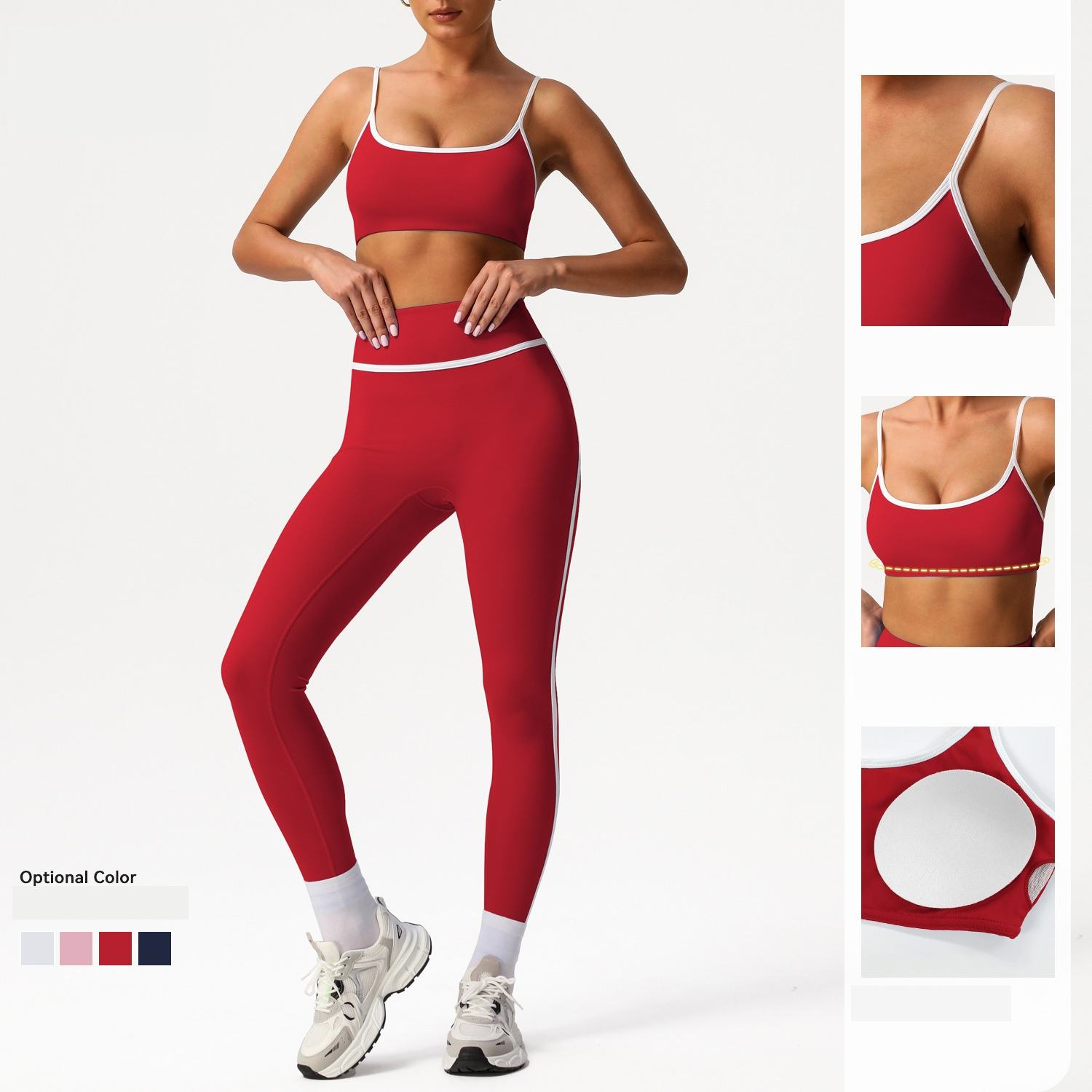 Two-piece gym wear sample showing contrast binding, waist placement, strap construction, and removable pad access for specification review.
1. Design Brief & Tech Pack Submission
The sampling journey begins with a clear design brief. Provide as much detail as possible: technical sketches with multiple views, measurement specifications, fabric types (e.g., nylon-spandex, polyester-elastane), GSM weight, color references (Pantone codes if available), stitching details, and any logo placement or branding requirements. If you lack a full tech pack, a reference sample—a comparable garment from another brand—combined with notes on desired changes still works. However, incomplete information often leads to more revision rounds and longer timelines. A detailed tech pack is the single biggest accelerator in activewear sample development.
2. Material and Trim Sourcing
Once the factory understands your concept, the material sourcing phase begins. Activewear fabrics are highly specialized: they must balance breathability, four-way stretch, moisture-wicking, and durability. Factories often have established relationships with performance fabric mills and can offer options based on your target price point and functional needs. Trims like flatlock threads for comfort, zippers with garage covers, silicone gripper elastics, and reflective elements are also sourced at this stage. If you have specific sustainability or certification requirements (e.g., OEKO-TEX, Recycled PET content), communicate them now, as they affect material lead times and costs.
3. Pattern Making and Grading
Pattern makers translate your flat sketch into 2D pattern pieces using CAD software or manual techniques. Activewear patterns require special attention to negative ease—the fabric stretches to fit the body—so standard pattern blocks must be adjusted. After the base size pattern is created, grading scales it into the full size range (e.g., XS–XXL) while maintaining proportions and design lines. A preliminary pattern review, sometimes with a digital 3D simulation, can catch obvious fit issues before any fabric is cut.
4. First Prototype Sewing (Proto Sample)
The first prototype, often called a proto sample, is sewn using the sourced materials and graded pattern. It may be in a single size, typically a medium or fit model size. This sample gives you a tangible look at silhouette, drape, and initial construction quality. It’s normal for the proto sample to need adjustments—armhole tightness, rise length, pocket placement—because theoretical patterns rarely translate perfectly on the first try. Expect to provide structured feedback with photos, marked-up measurements, or video call discussion.
5. Fitting, Testing, and Revision Cycles
After receiving the proto sample, conduct wear tests. For high-performance activewear, evaluate stretch recovery, opacity when stretched (especially for light colors), chafing points, and pocket functionality under movement. If possible, wash the sample multiple times to check shrinkage and colorfastness. Your factory will then apply your feedback in a revised sample. This cycle may repeat two to three times until the garment meets all specifications. Each revision focuses on narrowing tolerances; the final sample after this phase is often called the PP sample (pre-production sample).
6. Production-Ready Sample Approval
Once you approve the PP sample, it becomes the sealed reference for bulk production. No changes to materials, construction, or measurements should occur after this approval without a new sample round. The factory will base its production QC checks, packing standards, and final inspections on this approved sample. It’s wise to keep a duplicate approved sample in your own possession to resolve any disputes during or after mass production.
How Long Does Activewear Sample Development Take?
Timelines vary widely based on design complexity, material availability, and factory workload. A typical first prototype takes 7–15 business days from tech pack approval if materials are in stock. If custom fabrics or trims need to be ordered, add 5–20 business days. Each revision round usually takes 5–10 business days. For a standard activewear project requiring two or three revision cycles, plan for a total of 4–8 weeks before starting bulk production. Rush services exist but often increase costs and may compromise fit refinement. Clear initial specifications and prompt feedback are the best ways to maintain schedule momentum.
Common Challenges in Activewear Sampling (and How to Avoid Them)
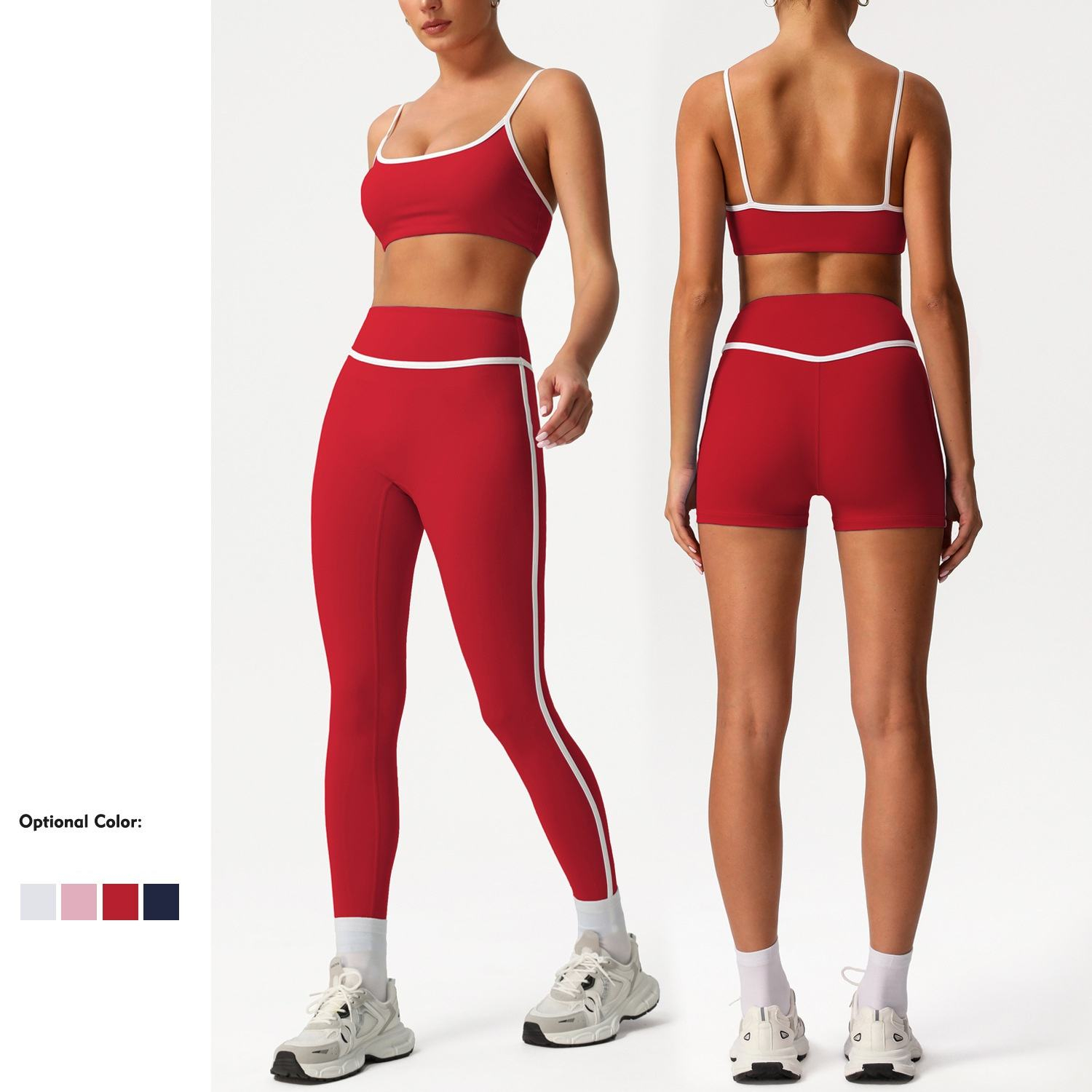 Front and back views document panel placement, binding alignment, and fit reference for activewear sample review.
- Fabric mismatch: The sample fabric doesn’t match your desired hand feel or performance. Solution: Request fabric swatches or hanger samples before cutting the first prototype.
- Fit inconsistency across sizes: Grading errors cause size L to fit differently than size M. Solution: Ask for graded spec sheets and, if budget allows, request fit samples in two key sizes.
- Print or color deviation: Sublimation prints shift or colors look different under lighting. Solution: Approve strike-offs or lab dips and view them under multiple light sources.
- Seam failure during wear tests: Stitches pop under stretch. Solution: Specify stitch types (flatlock, overlock) and thread quality; request seam strength testing if needed.
- Long lead times from unclear feedback: Vague comments like “make it fit better” cause confusion. Solution: Use specific language, measurement tables, and annotated photos.
Sample Development Costs and B2B Investment Logic
Sample development is a separate service from bulk production and carries its own costs. Factories typically charge for material sourcing, pattern making, and sample sewing, with prices reflecting the complexity of the garment. Some manufacturers credit a portion of sample fees toward your bulk order if you proceed, but this varies. For B2B buyers, view sample costs as R&D investment. A few hundred dollars now can prevent thousands in defective bulk shipments. When comparing factories, ask what’s included in the sample fee: revisions, shipping, or tech pack assistance. Transparent factories provide a clear sampling cost breakdown. Avoid choosing a partner based solely on the lowest sample price—depth of feedback, pattern expertise, and material knowledge are more valuable long term.
How to Work Effectively with a Factory on Activewear Samples
Collaboration drives successful sample development. Start by sharing your brand’s target market, end-user profile, and intended product use case (e.g., high-intensity gym, yoga, outdoor). This context helps the factory recommend appropriate fabrics and construction techniques. Be responsive to factory queries—delays often stem from waiting on client approvals. Use digital tools like shared folders for tech packs, measurement tables, and annotated images. If feasible, schedule a video call during the first fitting to walk through feedback live. Also, respect the factory’s development capacity; rushed timelines can compromise quality. A partnership mindset—where both sides focus on achieving a saleable product—yields better samples and a smoother transition to bulk manufacturing.
FAQ
What is activewear sample development?
Activewear sample development is the process of creating prototype garments to test design, fit, fabric, and functionality before mass production. It typically includes design review, material selection, pattern making, sample sewing, and multiple fit revisions. For B2B buyers, it ensures the final product meets brand standards and performance requirements, reducing the risk of costly bulk production errors.
How long does sportswear sample development take?
Sportswear sample development usually takes 7-25 business days per sample round, depending on design complexity, material availability, and the number of revisions. Simple styles with standard fabrics may be faster, while custom prints, specialized trims, or intricate constructions extend the timeline. B2B buyers should plan for at least 2-3 sample rounds to achieve production-ready samples.
What information do I need to provide for a custom activewear sample?
To start a custom activewear sample, you should provide tech packs with detailed sketches, measurement specs, material preferences, color codes, and reference images. If a tech pack is unavailable, clear photos or physical reference samples help. For startups, factories may assist with basic tech pack creation, but precise initial specifications speed up development and reduce revision costs.
Ready to Start Your Activewear Sample Development?
At Junhao Sportswear, we guide B2B buyers through every stage of sample development—from initial design review to production-ready prototype. Whether you have a complete tech pack or just a concept, our team can source performance fabrics, create precision patterns, and deliver samples that meet your fit and quality standards. Share your design brief, talk to us about your target market and functional requirements, and let’s create activewear that performs as good as it looks. Explore our custom sportswear services or contact us to begin.