Activewear Factory Guide: How to Choose the Right Bulk Sportswear Manufacturer
When your brand needs a reliable activewear factory for bulk production, the selection process is critical. The right partner ensures consistent quality, on-time delivery, and the ability to scale your fitness apparel line. This guide walks you through essential factors to evaluate, from production capabilities to quality control, helping you make an informed B2B decision. According to the Worldwide Responsible Accredited Production (WRAP) principles, ethical manufacturing is a key indicator of a trustworthy supplier.
What to Expect from a Specialized Activewear Factory
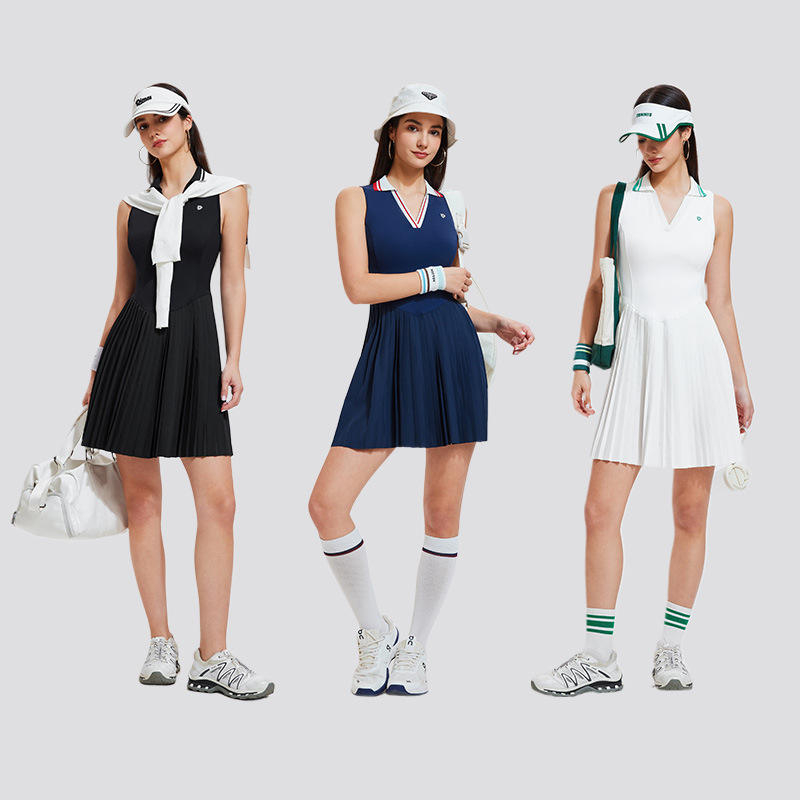 Three sleeveless tennis dress samples support silhouette comparison, pleat consistency checks, and pre-production sample review for sportswear manufacturing.
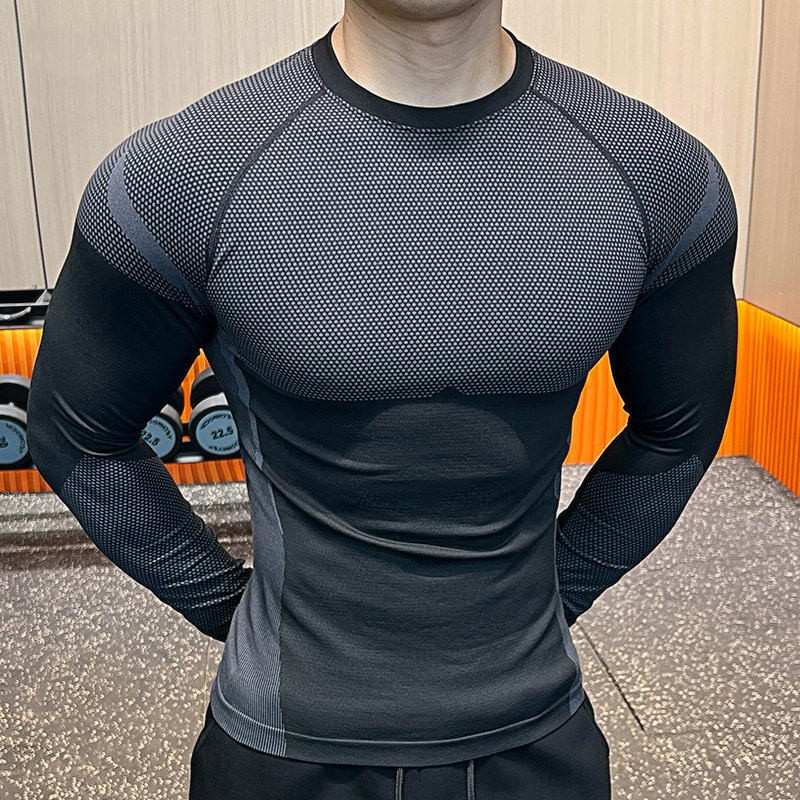
A dedicated activewear factory differs from general apparel manufacturers. It must have expertise in performance fabrics like polyester-spandex blends, moisture-wicking finishes, and flatlock stitching that prevents chafing. Look for a facility with dedicated sportswear production lines, as they will understand the specific stretch, recovery, and durability requirements needed for gym wear, yoga clothing, and outdoor active apparel.
Key Production Capabilities to Assess
Your activewear factory should offer a range of services beyond simple cut-and-sew. Key capabilities include sublimation printing, screen printing, embroidery, and seamless bonding techniques. If you need custom designs, ensure the factory has an in-house design team or the ability to work from your tech packs. Additionally, ask about their equipment: modern laser cutters, automatic spreading machines, and digital printers indicate a higher level of precision and efficiency.
Quality Control Processes in Activewear Manufacturing
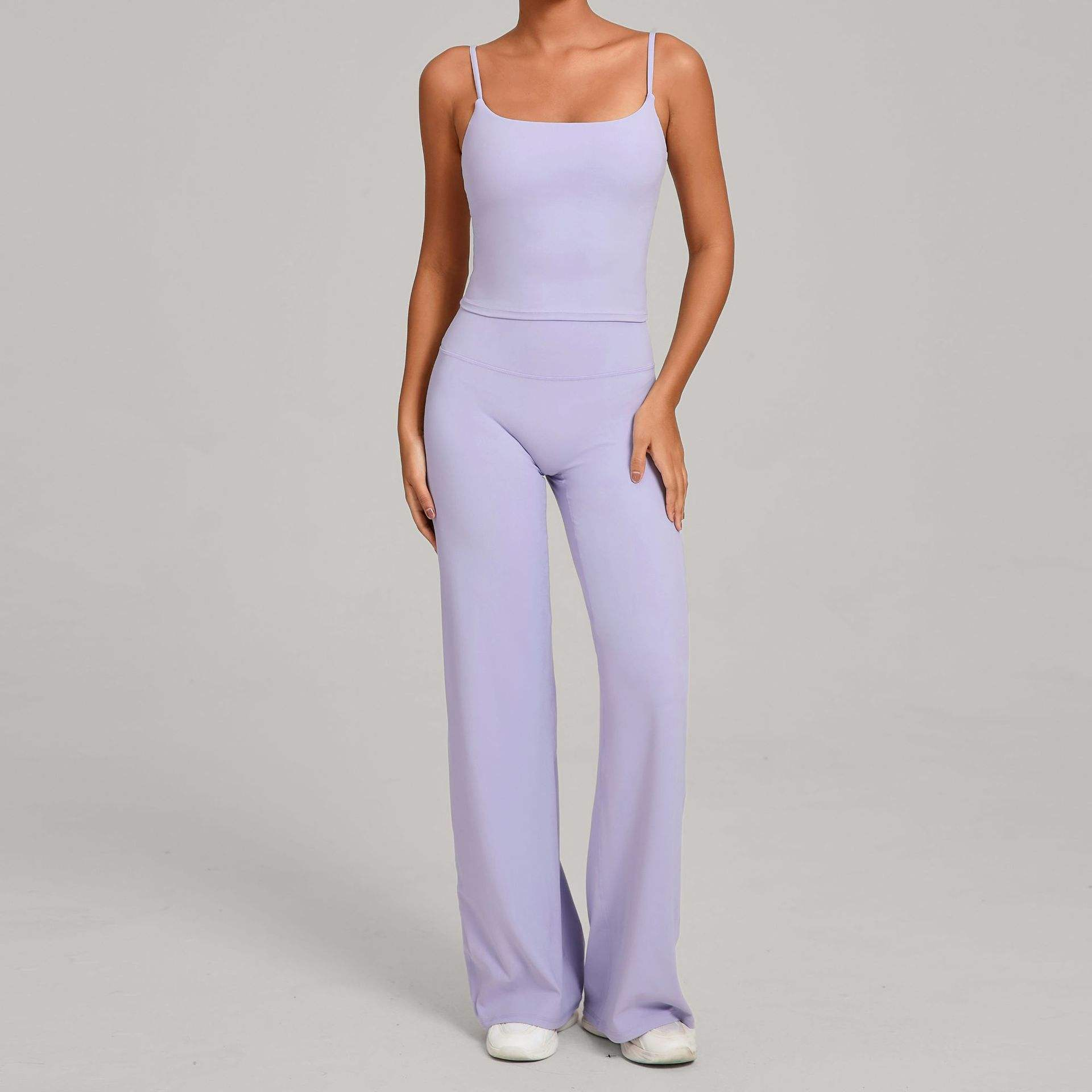
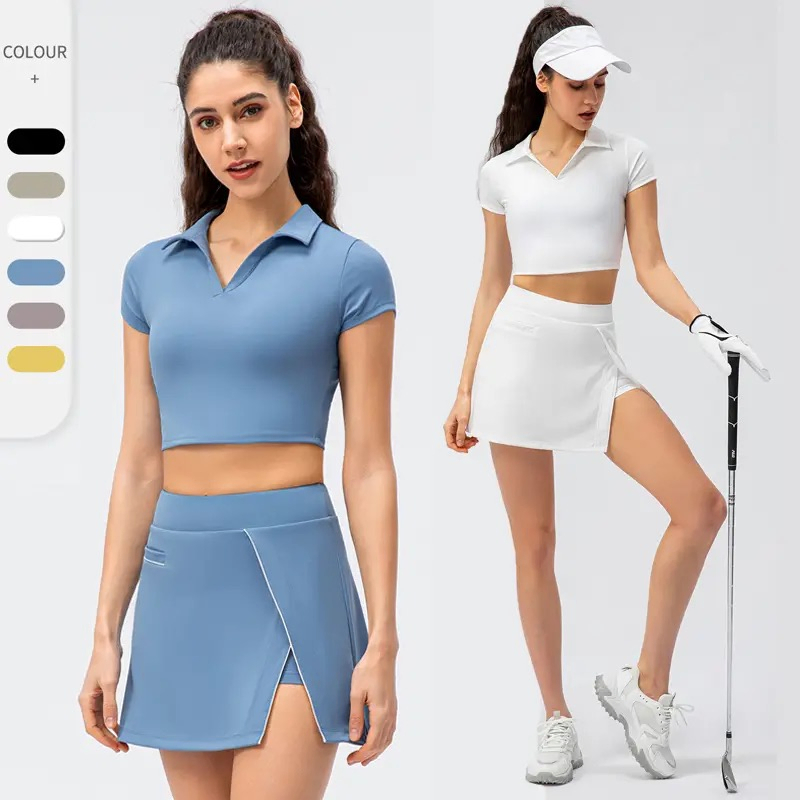 Catalog reference for two-piece tennis apparel, supporting colorway review, size grading, and pre-production sample confirmation.
Quality control is non-negotiable. A top-tier factory will have QC checkpoints at every stage: raw fabric inspection, in-line production checks, and final random inspections before packing. They should follow AQL standards and provide detailed reports. For activewear, pay special attention to testing protocols for colorfastness, shrinkage, and seam strength. Many factories also have in-house labs to test for harmful substances, which is crucial for brands targeting markets with strict regulations like the EU.
Understanding MOQs and Pricing Structures
Minimum Order Quantities (MOQs) vary widely among factories. High-volume factories may require 1000+ pieces per style, while smaller or more flexible manufacturers might accept 300-500 pieces. For startups, some factories offer low MOQ programs at a higher per-unit cost. Pricing depends on fabric choice, print complexity, and finishing details. Always request a detailed quotation that breaks down material, labor, and any extra fees for labeling or packaging.
Customization Options for Brand Identity
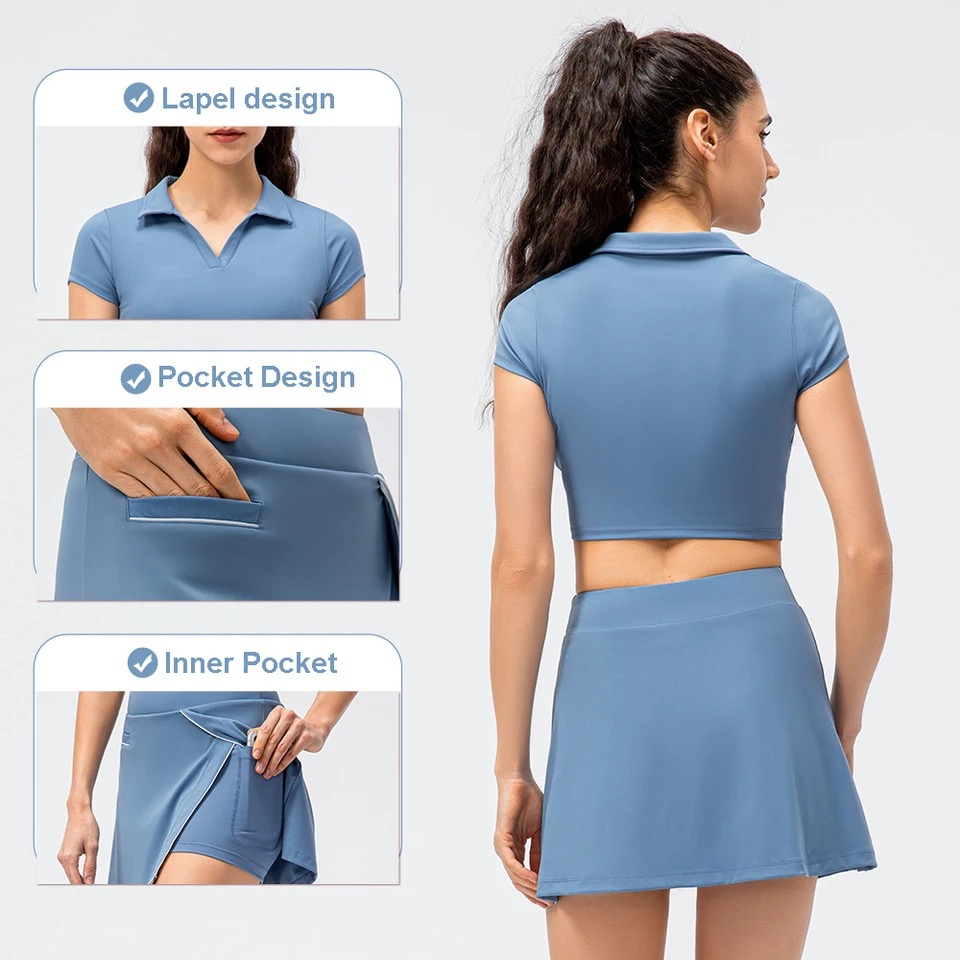 Image records lapel construction, pocket placement, and inner short structure for fit review and component verification.
Beyond the product, your factory should enable complete brand customization. This includes woven labels, hang tags, custom packaging, and even unique zipper pulls. Discuss your branding needs upfront. A good activewear factory will have relationships with accessory suppliers and can streamline the entire process, ensuring your brand elements are integrated seamlessly into production.
Compliance and Ethical Manufacturing
For international B2B buyers, compliance is a top priority. Verify that the factory holds certifications like BSCI, WRAP, or SEDEX. These audits confirm ethical labor practices and environmental responsibility. If you plan to sell in markets requiring specific standards, such as REACH for Europe or CPSIA for children’s activewear in the USA, ensure the factory can provide necessary documentation and material traceability. amfori BSCI provides a widely recognized framework for monitoring social compliance in the global supply chain.
Communication and Project Management
Effective communication is often the differentiator between a good and a great supplier. Your factory should assign a dedicated account manager who is fluent in English and understands your timelines. They should provide regular updates, from sample development to shipment, and be responsive to inquiries. Clear communication reduces errors and ensures that your bulk order meets expectations.
Conclusion
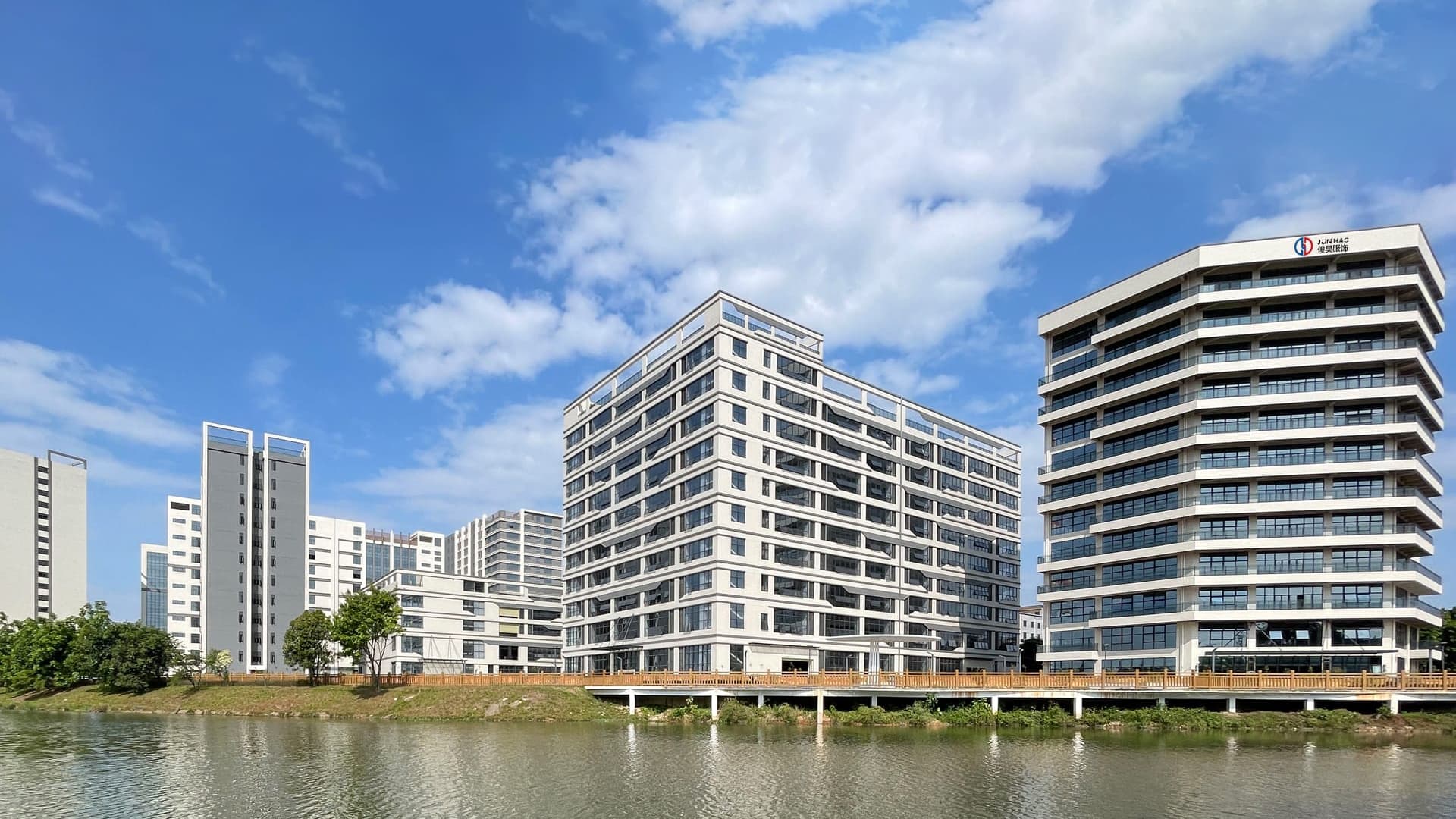
Choosing the right activewear factory is a strategic decision that impacts your brand’s reputation and bottom line. Focus on production expertise, quality control, customization options, and compliance. By thoroughly vetting potential partners, you establish a supply chain that supports your business growth. Ready to start? Contact Junhao Sportswear to discuss your bulk custom sportswear needs and request a detailed proposal.
FAQ
What should I look for in an activewear factory?
Key factors include MOQ flexibility, fabric sourcing and testing, customization capabilities (logo, design, labeling), quality control processes, compliance with international standards, and clear communication. Always request samples and check production timelines.
How do I verify an activewear factory’s quality standards?
Request a factory audit or third-party inspection, review certifications like ISO 9001, ask for detailed QC reports from previous orders, and order a pre-production sample to assess fabric, stitching, and finishing.
What is the typical MOQ for custom activewear?
MOQs vary significantly based on fabric, design complexity, and printing techniques. For custom activewear, MOQs often range from 100 to 500 pieces per style per color, but some factories may offer lower minimums for startups with higher per-unit costs.
Can an activewear factory help with design and development?
Yes, many factories offer ODM services where they provide ready-made designs that can be customized, or full OEM services where they produce based on your tech packs. A good factory will have a development team to advise on materials and construction.
How long does production take at an activewear factory?
Production lead times depend on order size, complexity, and current factory schedule. Typically, after sample approval and material sourcing, production can take 30-45 days plus shipping. Always confirm timelines before placing an order.
What certifications should an activewear factory have?
Important certifications include ISO 9001 for quality management, WRAP or BSCI for social compliance, and OEKO-TEX for fabric safety. These indicate the factory meets international standards for production and ethics.